Ascot Rehab is launched
The service begins with a specialist focus on consultant-led rehabilitation and transdisciplinary care for people with neurological conditions.
Ascot Rehab provides consultant-led inpatient, outpatient and outreach rehabilitation for people recovering from neurological illness, brain injury, spinal conditions, orthopaedic recovery and complex loss of function.
Our story began in 2012 with a focused belief: rehabilitation should be clinically ambitious, multidisciplinary, measurable and deeply human. Today, that belief shapes every assessment, every therapy session and every discharge plan.


Ascot Rehab brings together specialist clinicians, advanced rehabilitation technology and a calm private hospital environment so that recovery feels purposeful, structured and personal.
Ascot Rehab was launched in 2012 as a specialist rehabilitation service with a clear purpose: to give people with neurological and complex physical conditions access to rehabilitation that was more personal, more coordinated and more ambitious.
From the beginning, the model was built around the patient rather than the system. Rehabilitation was not treated as a single therapy appointment or a generic programme. Instead, it became a joined-up clinical pathway: medical oversight, physiotherapy, occupational therapy, speech and language therapy, neuropsychology, specialist nursing, family involvement and outcome measurement all working together.
That philosophy remains the centre of Ascot Rehab today. The service has grown into a consultant-led rehabilitation hospital in London with inpatient, outpatient and outreach pathways, supported by specialist facilities, advanced technology and a multidisciplinary team that works as one unit around each person’s goals.
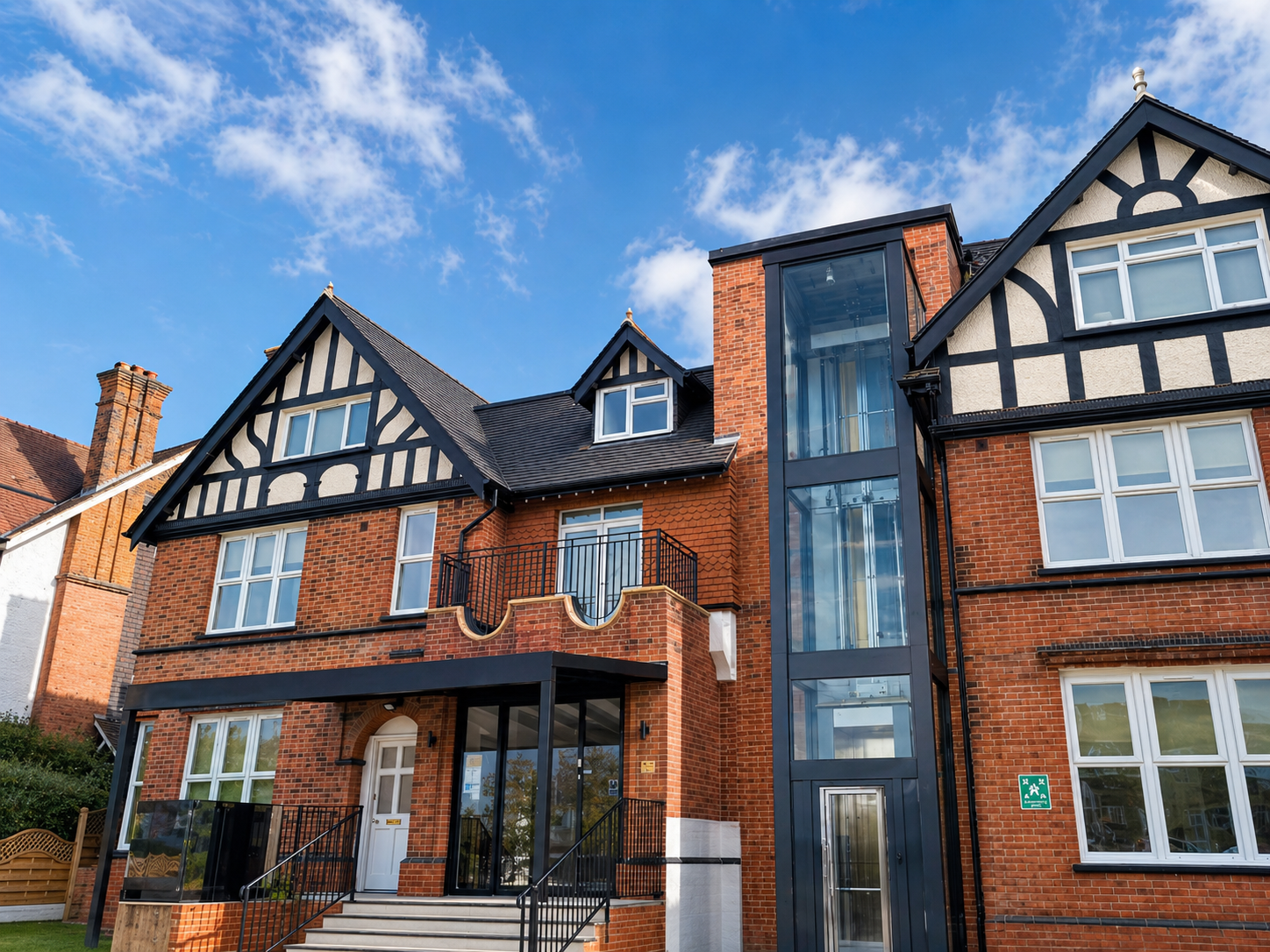
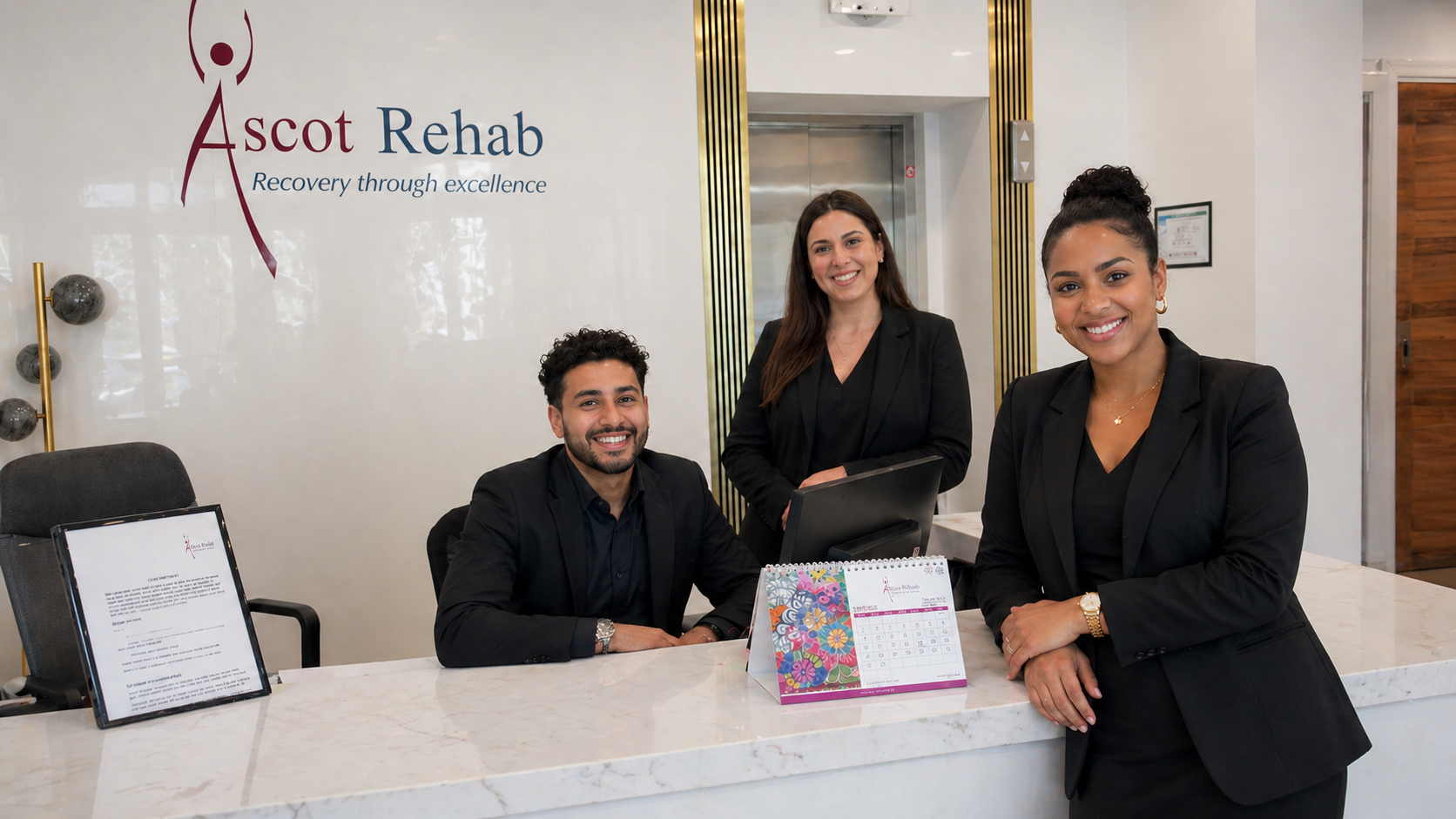
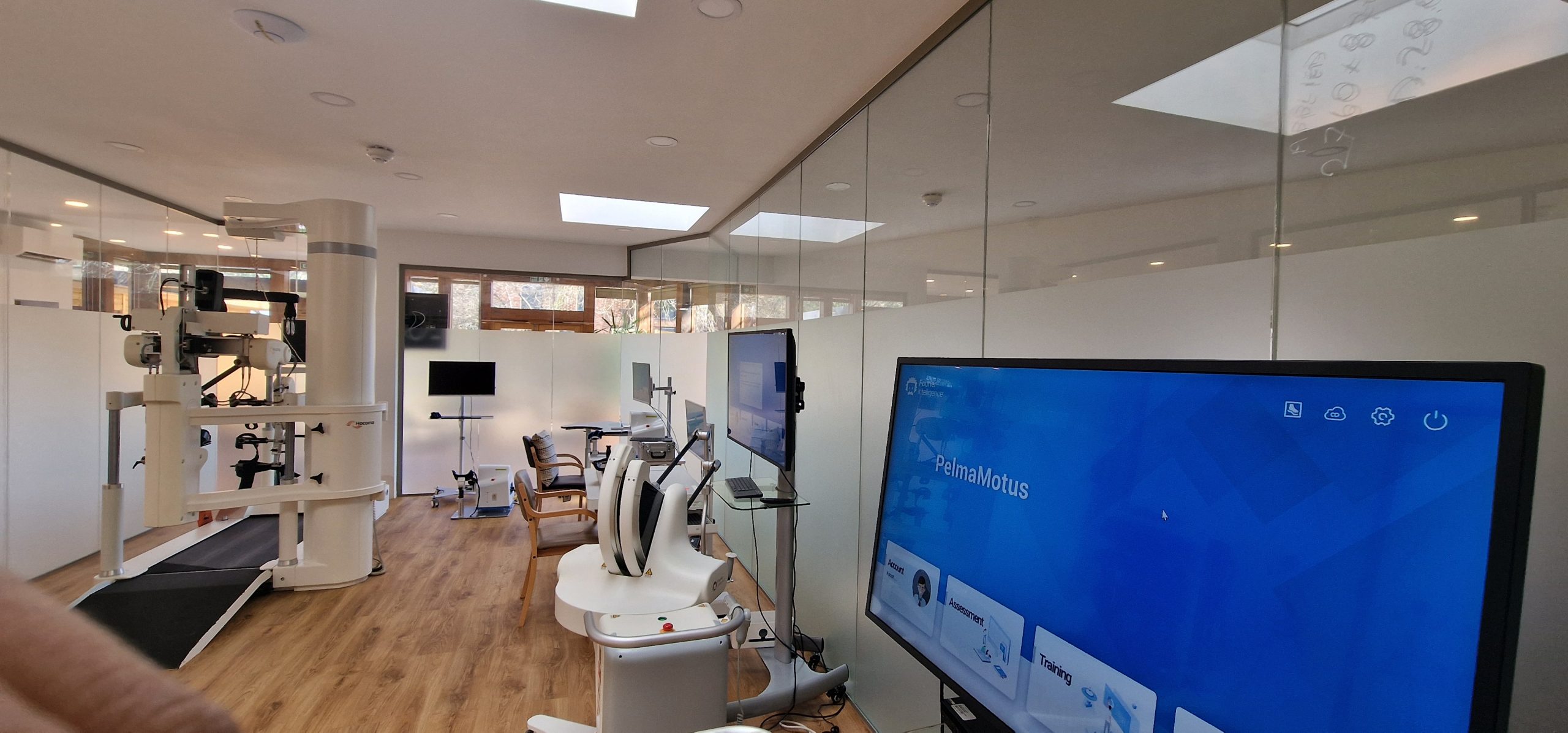
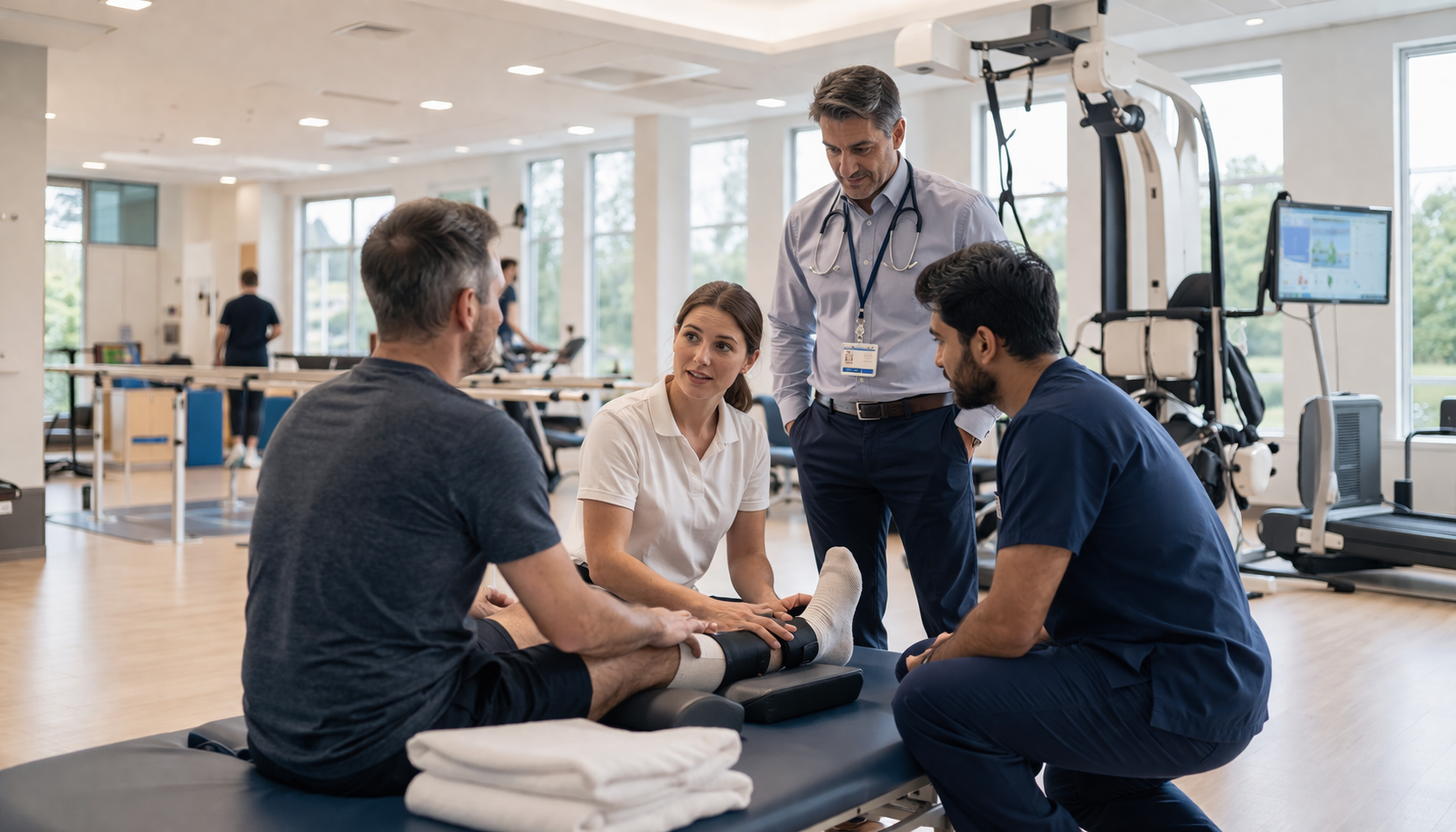
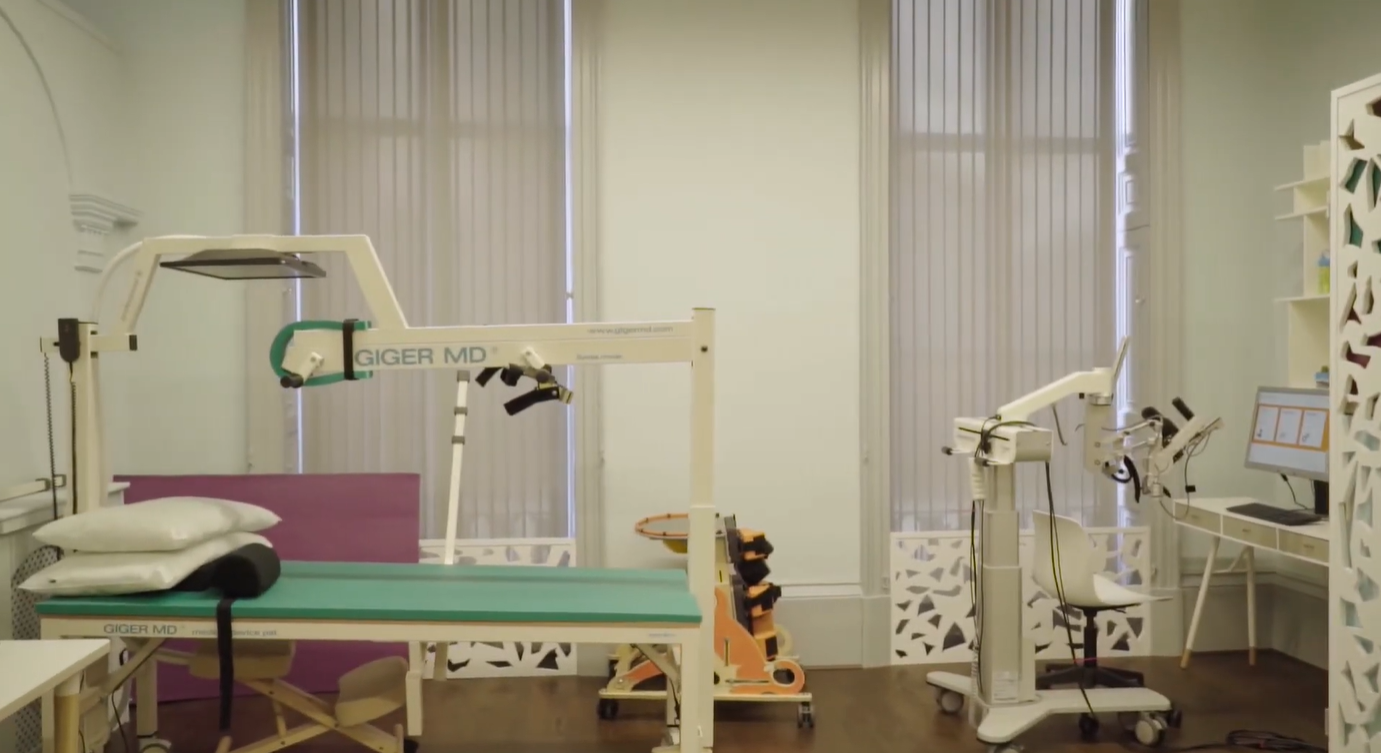
Patients and families are welcomed into a calm, modern clinical environment designed specifically for specialist rehabilitation.
Therapy spaces, specialist equipment and patient-facing areas are arranged to support confidence, dignity and purposeful recovery from the first enquiry through to ongoing care.


Ascot Rehab’s development reflects steady growth from a focused founding vision into an internationally accredited, nationally recognised rehabilitation pathway in Streatham.
The service begins with a specialist focus on consultant-led rehabilitation and transdisciplinary care for people with neurological conditions.
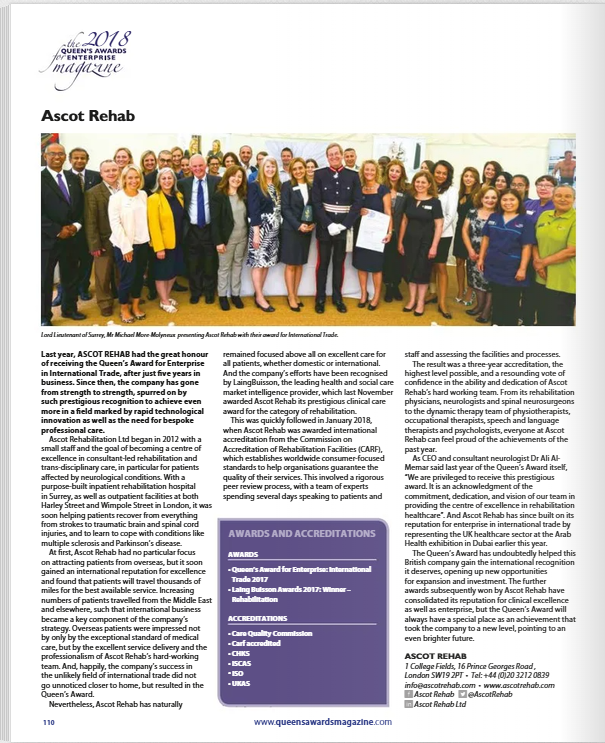
Ascot Rehab receives Queen’s Award recognition, reflecting the organisation’s international activity and commitment to high-quality rehabilitation healthcare.
Ascot Rehabilitation Ltd is first accredited by CARF for adult inpatient rehabilitation programmes, establishing an international quality benchmark.
The King’s Award for Enterprise recognises Ascot Rehab’s international trade and growing reputation beyond the UK.
Ascot Rehabilitation is registered by the Care Quality Commission at 6–8 Aldrington Road, London SW16 1TH.
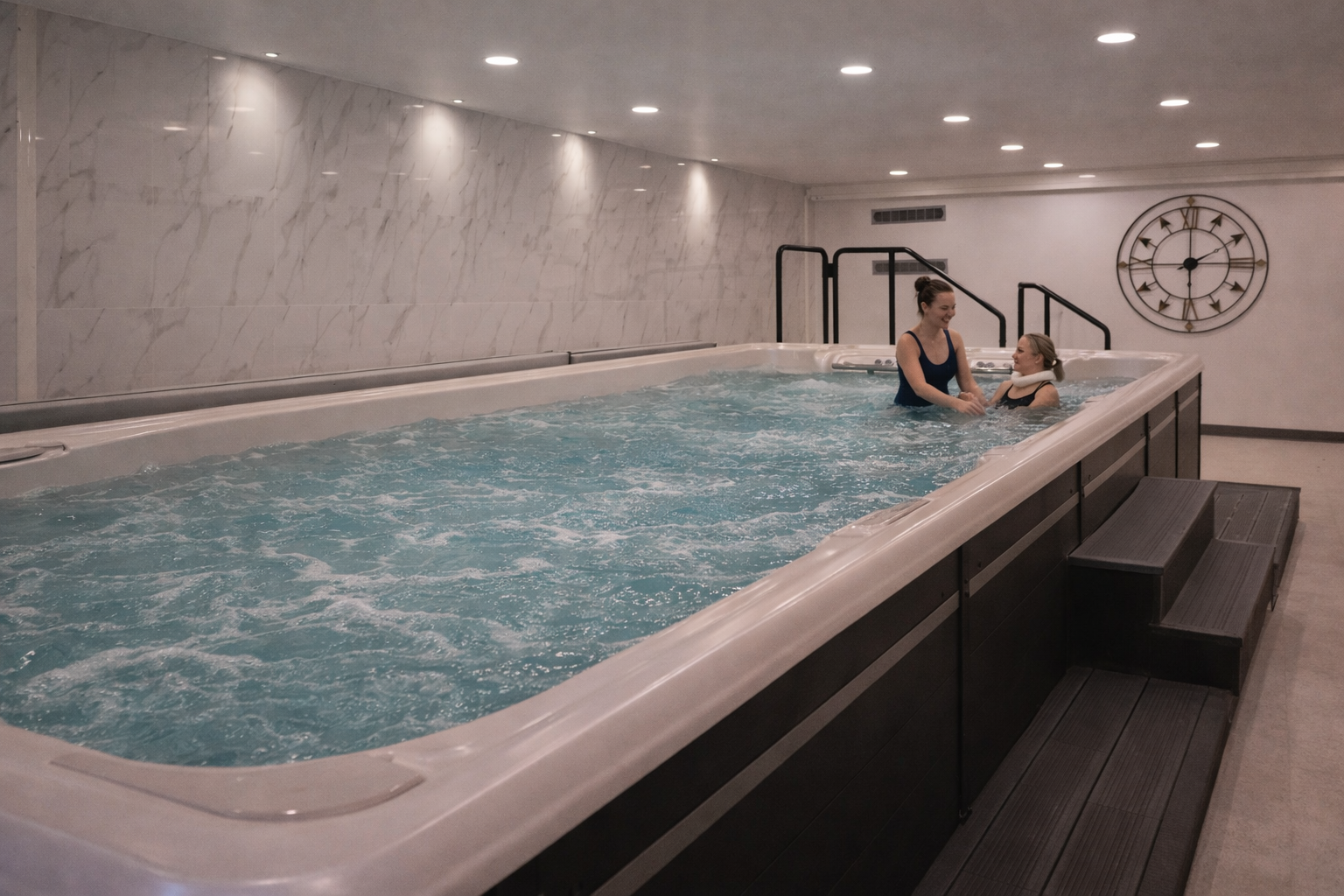
Ascot Rehab now delivers inpatient, outpatient and outreach rehabilitation supported by MDT planning, hydrotherapy and advanced rehabilitation technology.
A rehabilitation hospital is only as strong as the plan around the patient. At Ascot Rehab, the environment, clinical governance, therapy intensity, technology and family communication are designed to support one goal: helping each person move safely and meaningfully towards greater independence.
Every plan begins with what matters to the patient — home, family, mobility, communication, independence and confidence.
Rehabilitation is delivered through specialist clinical reasoning, governance, outcome review and clear multidisciplinary goals.
Physiotherapy, occupational therapy, speech and language therapy, neuropsychology, nursing and medical input work as one pathway.
Recovery requires trust. We place kindness, privacy, respect and family communication at the centre of the rehabilitation experience.
Goals are realistic and clinically grounded, but never narrow. We look for the potential that may be missed in ordinary settings.
Robotics, hydrotherapy and specialist equipment are used where they add meaningful intensity, measurement and functional value.
Progress is reviewed, discussed and adjusted through MDT planning so that patients and families understand the pathway ahead.
We keep developing our service, facilities and processes because rehabilitation care should evolve with evidence, technology and patient need.
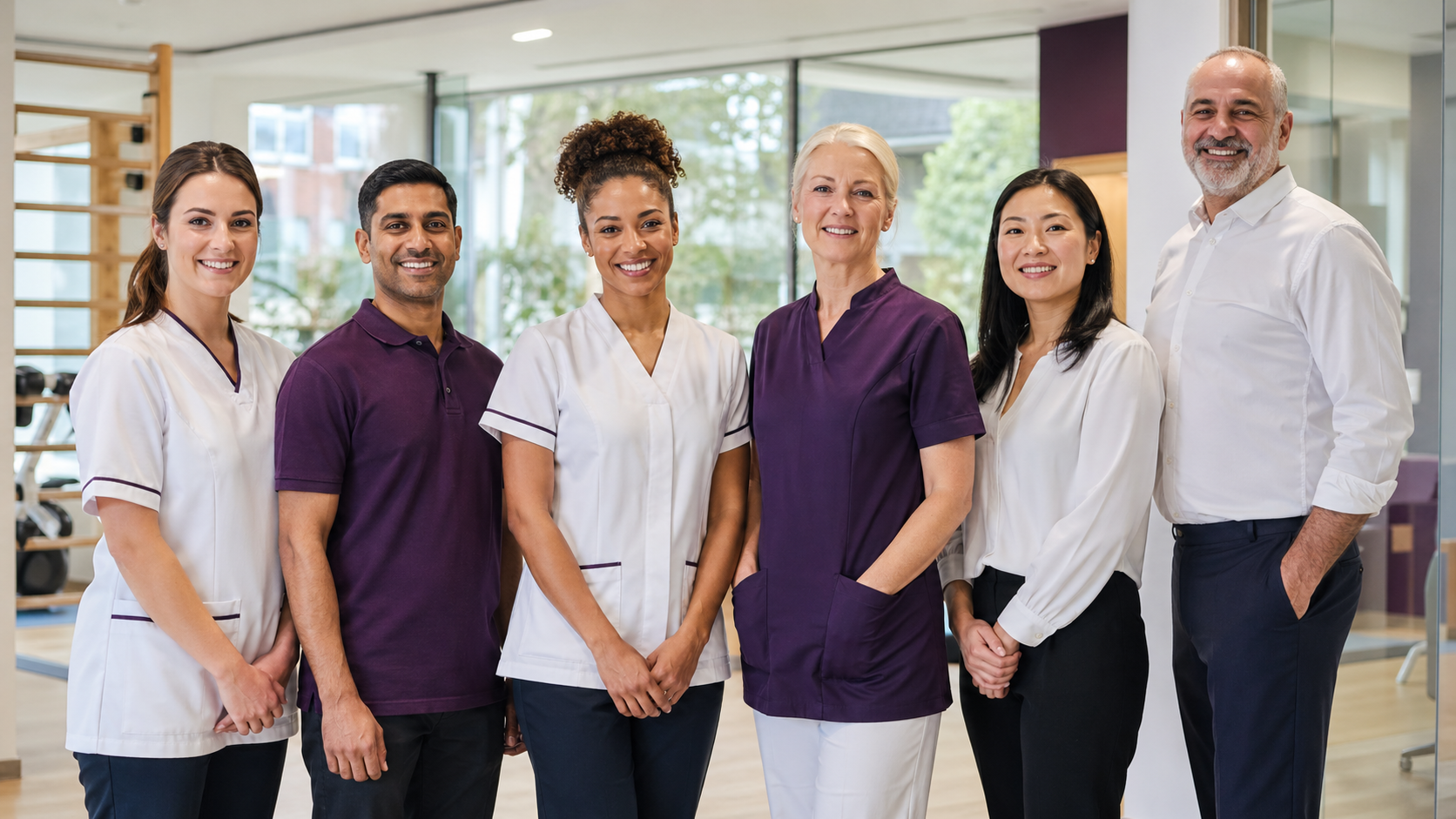
Ascot Rehab is shaped by people: consultant-led clinical oversight, specialist therapy teams, rehabilitation nursing and practical support working together around each patient’s goals.

Clinical oversight and rehabilitation planning from assessment through to discharge.

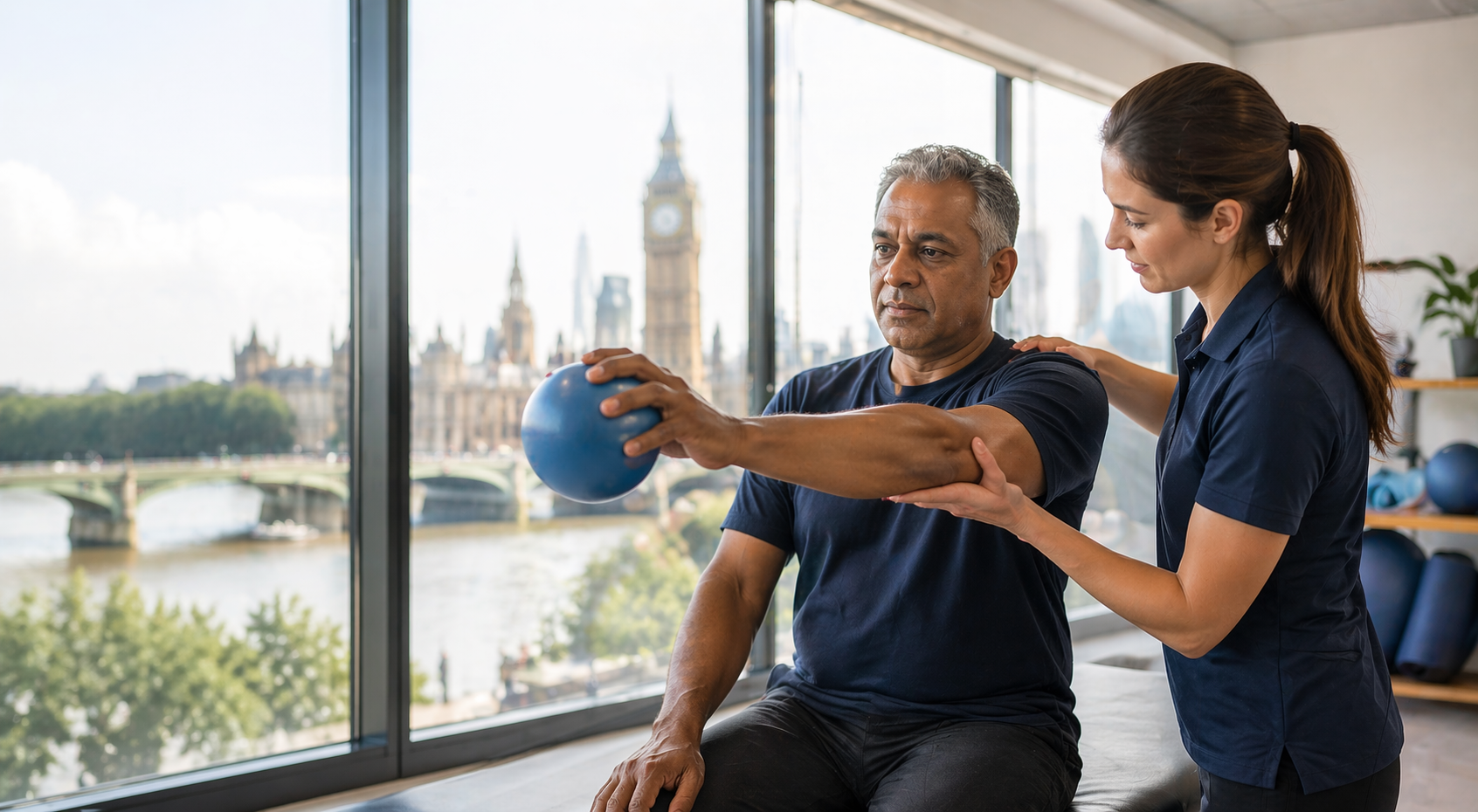
Specialist therapy for strength, walking, balance, transfers and functional recovery.

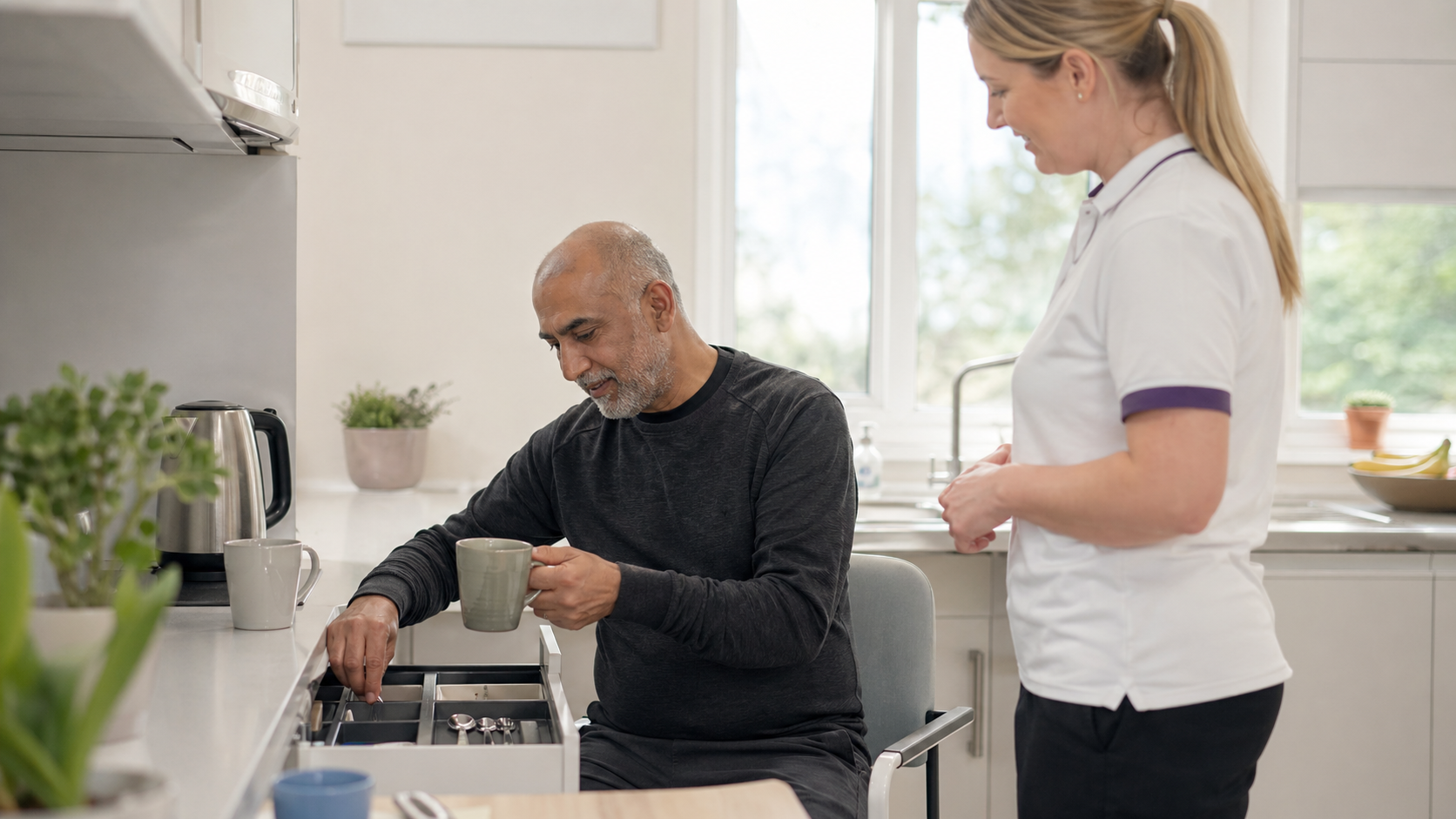
Practical rehabilitation for self-care, routines, upper limb function and return home planning.

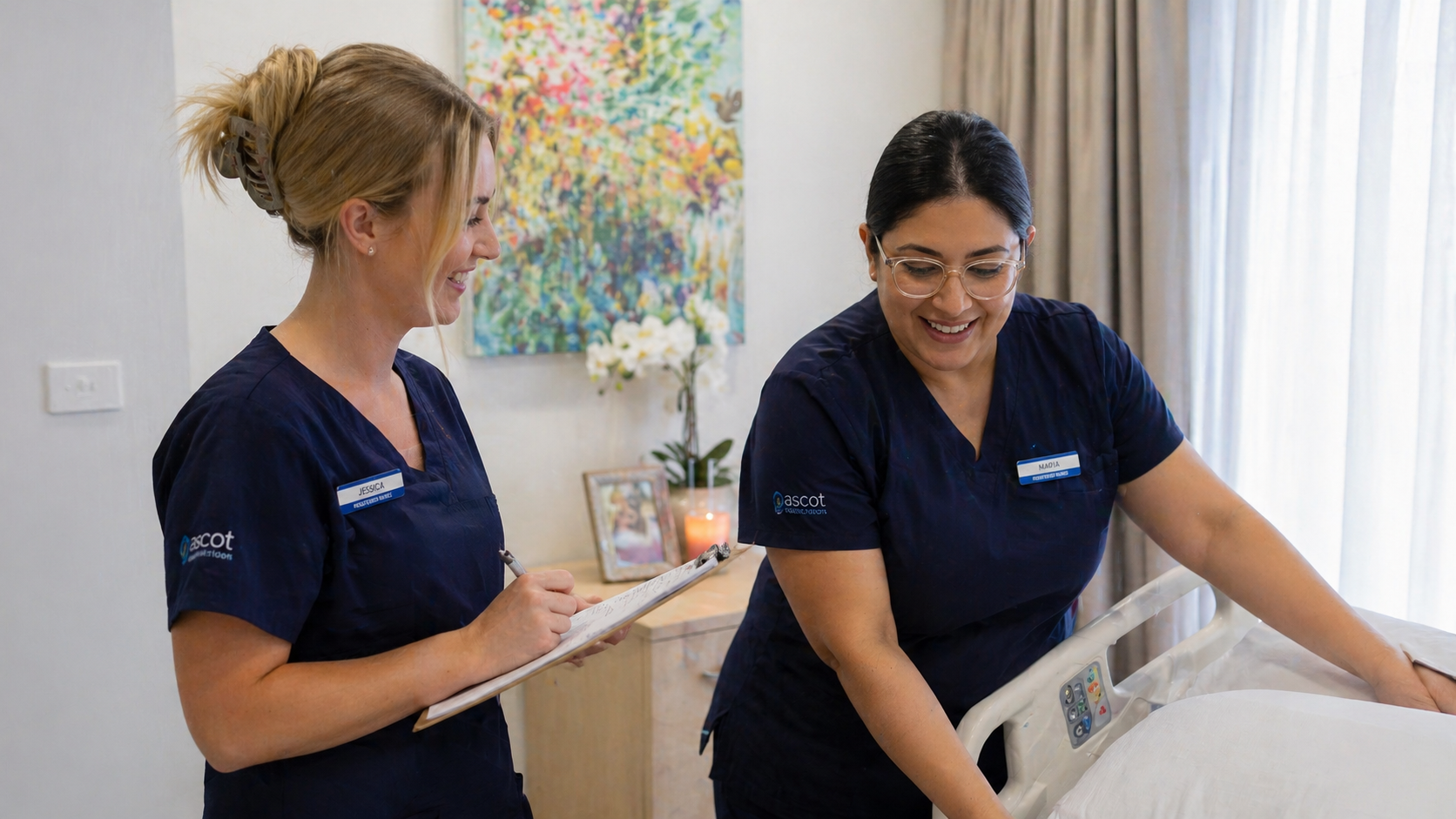
Rehabilitation nursing, care coordination and day-to-day patient support.
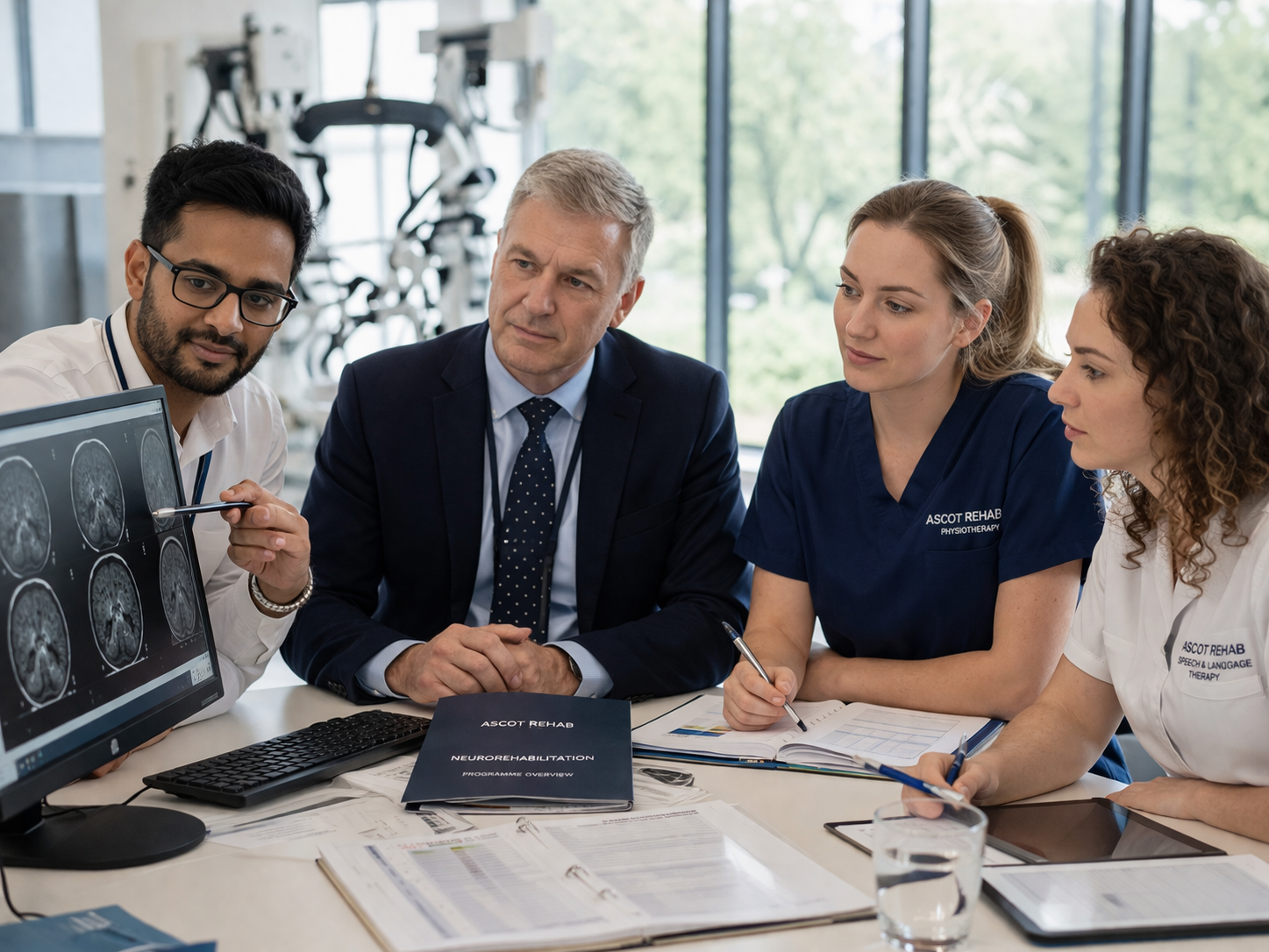
The multidisciplinary team is not an additional feature of Ascot Rehab. It is the architecture of care. Each patient’s plan brings together clinical assessment, therapy goals, nursing support, family communication and discharge planning into one coordinated pathway.
Therefore, patients are not passed between disconnected services. Instead, each discipline contributes to the same recovery plan, with progress reviewed and adjusted as the person’s needs change.
Ascot Rehab’s achievements reflect a long-standing commitment to specialist rehabilitation, international patient pathways and continued investment in service quality and technology.

Recognition connected to Ascot Rehab’s international work and commitment to rehabilitation healthcare.

National recognition for international trade and the global reputation of Ascot Rehab’s rehabilitation pathway.

Recognition of rehabilitation service quality, patient pathway development and specialist care delivery.

Recognition connected to healthcare service development, innovation and patient-centred rehabilitation practice.
Accreditation and governance matter because rehabilitation is complex. Patients and families need confidence that clinical care is structured, reviewed and accountable.

CARF confirms Ascot Rehabilitation Ltd’s adult inpatient rehabilitation programme with a three-year accreditation decision.

CHKS accreditation supports a structured approach to quality, governance, risk management and service improvement.

ISO certification reflects standardised systems, documentation and process discipline across service delivery.

Ascot Rehabilitation is registered by the Care Quality Commission at 6–8 Aldrington Road, London SW16 1TH.
Ascot Rehab provides a pathway that can begin with inpatient rehabilitation, continue through outpatient therapy and extend into real-world community rehabilitation where appropriate.

6–8 Aldrington Road, London SW16 1TH

55 Wimpole Street, Marylebone, London W1G 8YL

171 Clarence Avenue, New Malden, Surrey KT3 3TX
The quality of rehabilitation is not only measured in clinical outcomes. It is also measured in how patients are welcomed, how families are updated, how safe people feel and whether the environment supports confidence during a vulnerable stage of recovery.
Ascot Rehab’s patient satisfaction results are used to inform quality improvement, governance and service development.
Patients, families, referrers and case managers can review independent healthcare information and national guidance alongside Ascot Rehab’s own service information.
Whether you are a patient, family member, consultant, case manager, insurer or embassy team, our admissions team can guide you through suitability, documents required and the most appropriate rehabilitation pathway.
For referrals, assessments and pathway advice. If someone develops sudden facial drooping, arm weakness, speech difficulty, collapse, severe headache, new confusion or breathing difficulty, call 999 immediately.
Ascot Rehab supports people recovering from stroke, TIA, brain injury, spinal injury, neurological disease, post-surgical recovery and complex loss of function through coordinated multidisciplinary rehabilitation in London.
This page is designed as a condition guide. Suitability for Ascot Rehab depends on the person’s medical stability, therapy goals, risk profile, funding route and clinical information available at referral.

Our team looks at movement, swallowing, speech, cognition, fatigue, safety at home, family confidence and the right pathway after hospital.
No two people recover in exactly the same way. At Ascot Rehab, we look beyond the diagnosis to understand movement, cognition, communication, swallowing, confidence, independence, family needs and long-term goals.
Our team reviews the person’s current abilities, hospital information, medical history, therapy needs and practical goals before recommending the most appropriate rehabilitation pathway.
This may include intensive inpatient rehabilitation, structured outpatient therapy, hydrotherapy, robotic rehabilitation, community support or a blended programme.
We support people with new injuries, long-term neurological conditions, post-surgical rehabilitation needs and complex presentations where several therapies need to work together.
Stroke, TIA, brain injury, neurological disease, cognition, movement and communication needs.
Spinal cord injury, post-neurosurgical recovery and complex functional recovery needs.
Rehabilitation after surgery, trauma, reduced mobility, pain or deconditioning.
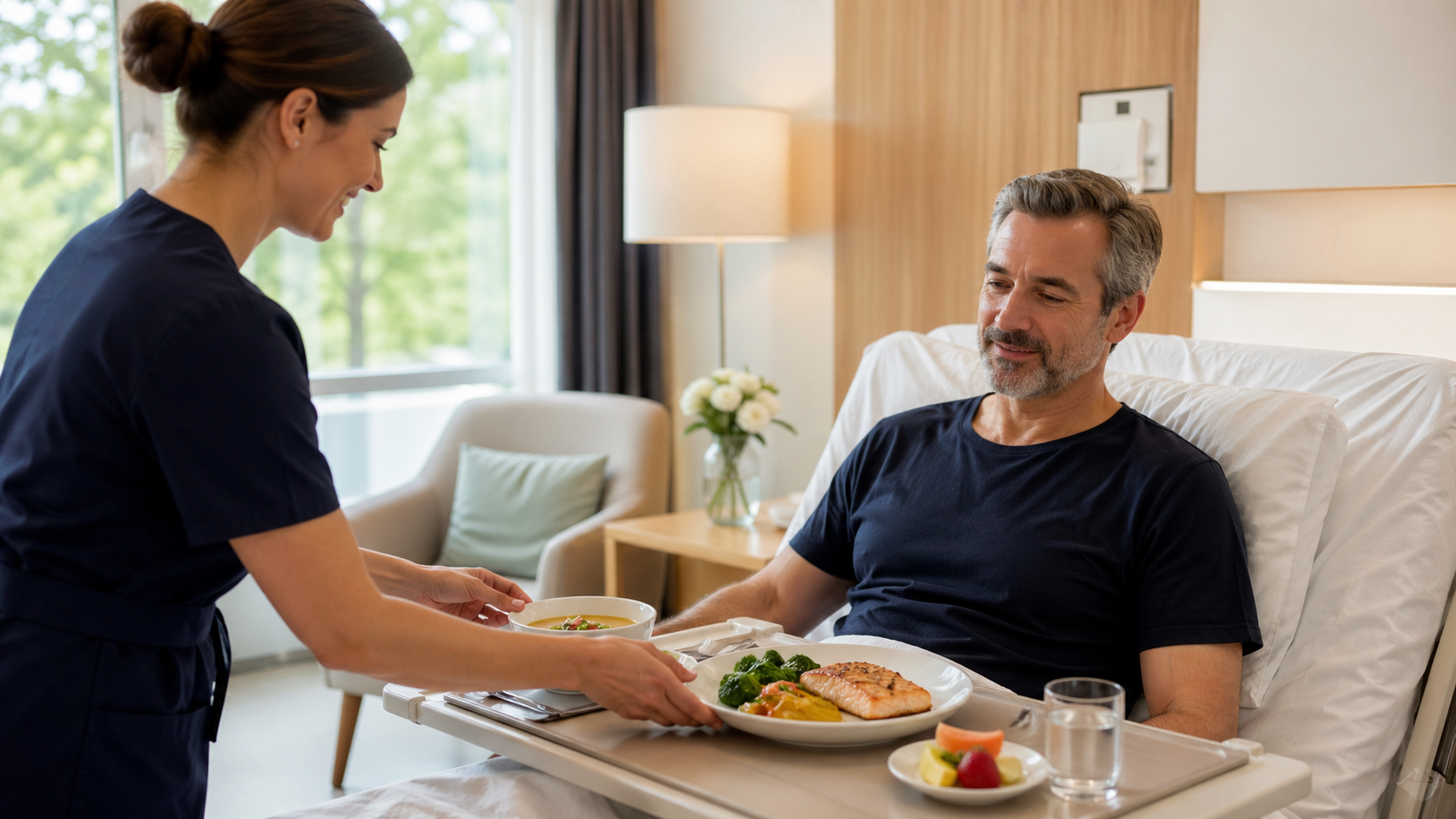
Support for aphasia, dysarthria, dysphagia, cognitive change and safe mealtimes.
Click any condition to open detailed information. The expanded condition content is included in the page HTML so search engines can understand the breadth of rehabilitation needs covered.
Patients often need more than one therapy discipline. Our team works together to create a joined-up plan with shared goals, regular review and clear communication with families, consultants and funders.
We start by understanding diagnosis, function, risks, goals and whether inpatient, outpatient or community therapy is most appropriate.
Physio, OT, SLT, neuropsychology, nursing and medical input are aligned around one rehabilitation plan.
Sessions focus on walking, transfers, upper limb function, speech, swallowing, cognition, fatigue and daily living tasks.
Where clinically suitable, therapy may include hydrotherapy, robotics, specialist equipment and high-repetition practice.
We review outcomes, adapt goals and support safe transition home, back to clinic, or into ongoing community rehabilitation.
The right rehabilitation pathway depends on medical complexity, therapy intensity, safety, mobility, family support and practical goals.

For people who need a structured rehabilitation environment, higher therapy intensity, nursing support or step-down care after hospital.

For people who can attend clinic and need regular, specialist therapy while living at home.

For people who benefit from rehabilitation in their own home, care setting or real-world environment.
Ascot Rehab may be suitable when someone needs specialist rehabilitation after hospital, has plateaued with limited therapy, is struggling at home, or requires a coordinated MDT plan rather than single-discipline input.
Our admissions team can help clarify the most appropriate next step and whether an assessment would be useful.
Patients, families, case managers, insurers and clinicians can contact us. If medical information is needed, our team will advise what documents are required.
We may be able to support rehabilitation after hospital discharge where the person is medically stable but has therapy, safety, mobility, communication, swallowing or confidence needs.
Hospital discharge summary, scan reports, medication list, therapy notes, swallowing guidance, mobility information and insurance authorisation details can help our team review suitability.
No. We provide inpatient rehabilitation, outpatient therapy and outreach therapy depending on the person’s needs and goals.
Whether you are a patient, family member, consultant, case manager or insurer, our team can guide you through the most suitable rehabilitation pathway.
For referrals, assessment enquiries and pathway advice. If someone develops sudden facial drooping, arm weakness, speech difficulty, collapse, severe headache, new confusion or breathing difficulty, call 999 immediately.
Stroke rehabilitation at Ascot Rehab focuses on helping people rebuild movement, communication, swallowing safety, confidence and independence after a stroke. Therapy may be appropriate following hospital discharge, when someone needs a more structured rehabilitation environment, or when family members are concerned about safety at home.
People searching for private stroke rehabilitation in London often need joined-up physiotherapy, occupational therapy, speech and language therapy and discharge planning after hospital. This pathway is designed for patients who need structured neurorehabilitation and practical support to rebuild safe independence.
After a suspected TIA or minor stroke, some people are discharged from hospital quickly but still show subtle changes in safety, attention, speech, swallowing, fatigue or independence. Ascot Rehab may support patients who are medically stable but need rehabilitation, supervision, therapy review or a safe step between hospital and home.
Important: TIA and stroke-like symptoms are medical emergencies. New facial drooping, arm weakness or speech changes should be assessed urgently through emergency services.
This pathway is relevant for families looking for TIA rehabilitation, minor stroke aftercare or step-down support after hospital discharge in London. The focus is on safety at home, left-sided awareness, swallowing concerns, fatigue and confidence before returning to normal routines.
Acquired brain injury rehabilitation supports people after a non-traumatic injury to the brain, such as stroke, infection, hypoxia, tumour treatment or other neurological events. Needs can include movement, cognition, fatigue, communication, behaviour and daily living.
For acquired brain injury rehabilitation in London, Ascot Rehab focuses on practical recovery: mobility, cognition, communication, fatigue, behaviour and everyday independence. The programme is built around the patient’s current abilities, risks and family goals rather than diagnosis alone.
Traumatic brain injury rehabilitation can help after head injury, falls, road traffic accidents or trauma where the person experiences physical, cognitive, behavioural, emotional or communication changes.
People looking for traumatic brain injury rehabilitation often need support with more than mobility. Therapy may address cognition, communication, insight, fatigue, emotional adjustment and safe daily routines after head injury or trauma.
Post-neurosurgical rehabilitation may be required after brain surgery, spinal surgery or neurological procedures where movement, strength, balance, function, cognition or independence have been affected.
This pathway supports patients seeking rehabilitation after brain surgery, spinal surgery or neurosurgical hospital discharge. The aim is to rebuild strength, confidence and function while respecting surgical guidance and medical stability.
Left-sided neglect or inattention can happen after right-sided brain injury or stroke. A person may not fully notice their left arm, food on the left side of the plate, objects on the left, or safety hazards such as handrails and steps.
Left-sided neglect, visual inattention and reduced body awareness can create safety concerns after stroke, TIA or brain injury. Rehabilitation uses practical therapy strategies to improve scanning, attention, daily activities, mobility and family prompting.
Aphasia and communication difficulties can affect speaking, understanding, reading, writing, word-finding and confidence after stroke or brain injury. Speech and language therapy can help the person communicate more effectively in everyday situations.
Speech and language therapy after stroke or brain injury can help with aphasia, dysarthria, word-finding difficulty and communication confidence. Therapy is focused on real-life conversation, family interaction and everyday participation.
Dysphagia means difficulty swallowing. After stroke, TIA, brain injury or neurological disease, a person may cough, choke, avoid food, have a poor appetite, or keep food in one side of the mouth. Swallowing concerns should be assessed by appropriate clinicians.
If someone is actively choking, struggling to breathe, or has sudden severe swallowing difficulty, seek emergency help immediately.
Swallowing rehabilitation may be needed after stroke, TIA, Parkinson’s disease, brain injury or critical illness. Speech and language therapy can support safer eating and drinking strategies, mealtime confidence and family guidance where clinically appropriate.
Spinal cord injury rehabilitation supports people after traumatic or non-traumatic spinal cord damage. Goals may include improving mobility, transfers, wheelchair skills, strength, independence, confidence and daily routines.
Spinal cord injury rehabilitation in London may include physiotherapy, occupational therapy, wheelchair skills, transfers, strengthening, daily living practice and long-term independence planning. The programme depends on injury level, medical stability and personal goals.
Transverse myelitis can cause weakness, sensory changes, pain, fatigue and mobility problems. Rehabilitation focuses on rebuilding function, managing fatigue and helping the person adapt safely to changes in movement and sensation.
Neuromyelitis optica can affect the spinal cord and optic nerves, leading to mobility, visual, sensory, fatigue and daily living challenges. Rehabilitation can help improve function and confidence after a neurological episode.
Neuromyelitis optica rehabilitation may support people affected by weakness, sensory change, visual impairment, fatigue or reduced mobility. The focus is on safe movement, adaptation, energy management and maintaining everyday independence.
Multiple sclerosis rehabilitation can support people with mobility, fatigue, balance, strength, spasticity, confidence and day-to-day function. Therapy may be useful after relapse, deterioration, reduced activity or when goals change.
Multiple sclerosis rehabilitation can help with walking confidence, fatigue management, balance, falls prevention, strength and daily routines. Therapy is adapted to the person’s symptoms, goals and how their condition changes over time.
Parkinson’s rehabilitation focuses on movement quality, walking, posture, balance, falls prevention, voice, swallowing and confidence with everyday routines. Programmes are tailored to the person’s stage, goals and symptoms.
Parkinson’s rehabilitation supports gait, posture, balance, falls prevention, voice, swallowing and daily living strategies. The aim is to maintain function, confidence and safety through a structured neurological therapy plan.
Guillain-Barré syndrome can cause significant weakness, fatigue and reduced mobility. Rehabilitation supports gradual strengthening, stamina, transfers, walking confidence and return to daily activities as recovery progresses.
Guillain-Barré syndrome rehabilitation supports graded recovery after significant weakness, fatigue and reduced mobility. Therapy is progressed carefully to rebuild strength, stamina, transfers, walking and daily independence.
Peripheral neuropathy can affect sensation, balance, walking confidence, pain and falls risk. Rehabilitation aims to improve safety, function and confidence while supporting practical strategies for daily living.
Peripheral neuropathy rehabilitation can help people with balance problems, altered sensation, walking confidence and falls risk. Therapy focuses on strengthening, gait practice, safer movement strategies and functional confidence.
Ataxia can affect coordination, balance, walking, speech and upper limb control. Rehabilitation focuses on functional strategies, stability, confidence, falls reduction and participation in daily activities.
Ataxia rehabilitation may include coordination practice, balance training, gait strategies, upper limb control and fatigue management. The therapy plan is designed to improve safe function and confidence in daily activities.
Functional neurological disorder can affect movement, walking, weakness, tremor, fatigue and confidence. Rehabilitation is most helpful when it is supportive, structured, goal-led and focused on retraining function.
Functional neurological disorder rehabilitation uses structured, goal-led therapy to support movement retraining, walking confidence, pacing and functional independence. Care is adapted to the person’s symptoms and wider clinical plan.
Post-surgical rehabilitation supports people after orthopaedic, neurological or complex procedures when strength, mobility, stamina or independence have reduced. Therapy is adapted to surgical precautions and recovery stage.
Post-surgical rehabilitation in London can provide a safe step between hospital and home when a person needs to rebuild strength, walking confidence, daily living skills and independence after an operation.
Hip and knee replacement rehabilitation helps people rebuild strength, walking confidence, range of movement, stair ability and independence after joint surgery. Programmes are tailored to the operation, precautions and personal goals.
Hip and knee replacement rehabilitation supports people after joint surgery with walking, stairs, transfers, range of movement, strength and confidence. Therapy can be inpatient or outpatient depending on recovery needs.
Fracture and polytrauma rehabilitation supports people after falls, road traffic accidents, multiple injuries or prolonged immobility. The aim is to restore safe mobility, confidence and independence as healing allows.
Fracture and polytrauma rehabilitation helps patients recover after falls, trauma, multiple injuries or immobilisation. The programme focuses on safe mobility, strengthening, functional practice and confidence returning to daily routines.
Deconditioning can happen after illness, hospital admission, reduced activity or prolonged bed rest. People may lose strength, stamina, balance and confidence even if the original medical problem has improved.
Deconditioning rehabilitation is suitable when illness, bed rest or hospital admission has reduced strength, stamina, balance and independence. Therapy focuses on rebuilding function gradually and safely.
After ICU or a long hospital stay, people can experience major muscle loss, fatigue, breathlessness, swallowing changes, reduced confidence and difficulty returning to basic activities. Rehabilitation helps rebuild strength and function gradually.
ICU-acquired weakness and critical illness recovery often require graded rehabilitation after muscle loss, fatigue, breathlessness, swallowing changes or prolonged hospitalisation. The aim is to rebuild strength, endurance and everyday function.
Falls, balance problems and frailty can reduce confidence and independence. Rehabilitation can help identify functional risks, rebuild strength, improve movement strategies and support safer routines at home.
Falls prevention and frailty rehabilitation can support people with poor balance, fear of falling, reduced strength, stair difficulty or loss of confidence. Therapy focuses on practical risk reduction and safer independence.
Amputation rehabilitation supports people after limb loss with strengthening, transfers, balance, wheelchair skills, prosthetic preparation where appropriate, self-care and emotional adjustment.
Amputation rehabilitation supports mobility, transfers, balance, wheelchair skills, prosthetic preparation where appropriate and daily living adaptation after limb loss. The plan is tailored to safety, strength and independence goals.