Specialist, consultant-led stroke rehabilitation across inpatient, outpatient and outreach pathways. CARF-accredited. Aligned with the 2023 UK National Clinical Guideline for Stroke.

A stroke occurs when the blood supply to part of the brain is cut off. Within minutes, brain cells in the affected area begin to die — but the surrounding tissue has a remarkable capacity to adapt, form new connections, and recover function.
Stroke is the UK's fourth leading cause of death and its single biggest cause of complex adult disability. Over 100,000 people have a stroke in the UK every year — one every five minutes.
Caused by a blood clot blocking a brain artery. Acute treatment may include clot-dissolving medication (thrombolysis) or mechanical clot removal (thrombectomy), followed by intensive rehabilitation.
Caused by a burst blood vessel bleeding into or around the brain. Often associated with high blood pressure. Rehabilitation typically follows a period of neurosurgical care.
A temporary blockage where symptoms fully resolve within 24 hours. No lasting damage, but a TIA is a serious warning sign — always a medical emergency. Call 999 immediately.
The 2023 UK National Clinical Guideline recommends at least three hours of multidisciplinary therapy a day, five days a week for stroke patients with motor recovery goals. Patients who receive this intensity achieve significantly better functional outcomes.
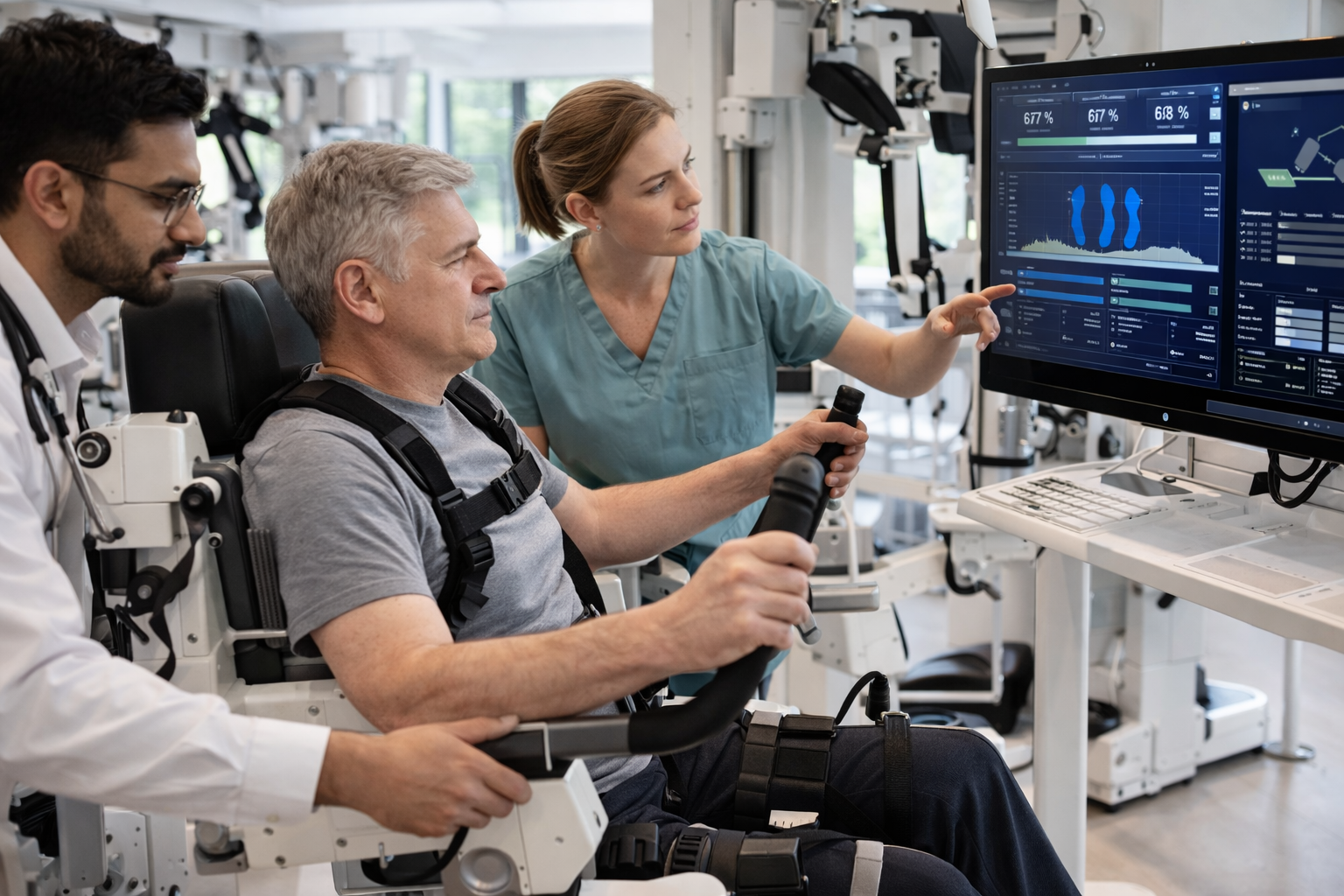
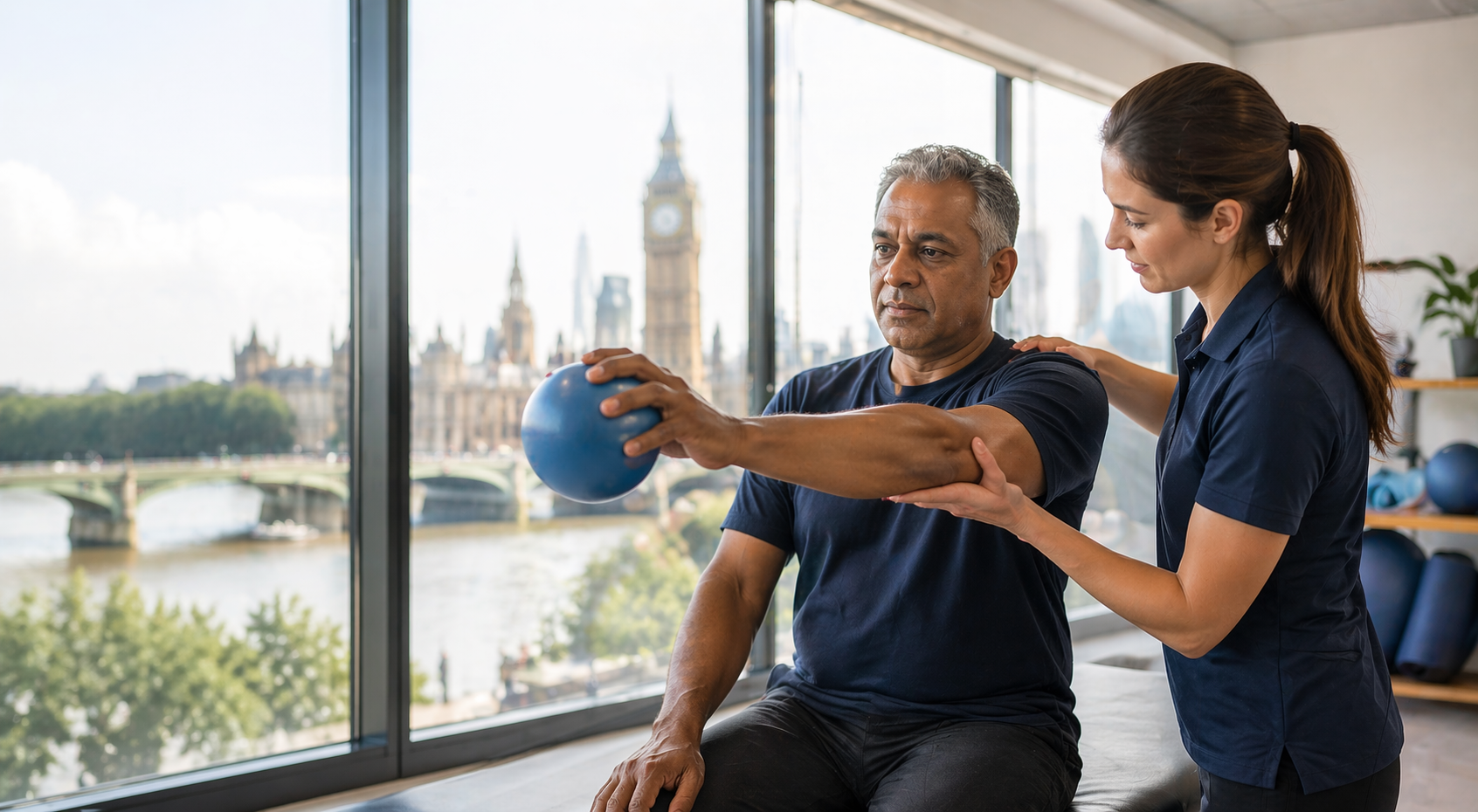
One-sided weakness (hemiparesis) or paralysis is the most common effect. Neurophysiotherapy, strength work and robotic devices work to restore motor control over time.
Unsteadiness, dizziness and falls risk affect independence and safety. Gait re-education, vestibular therapy and hydrotherapy all address these directly.
Aphasia, dysarthria and apraxia affect the ability to speak, read, write or understand. Speech and language therapy is core to every stroke programme.
Memory, attention, problem-solving and executive function are frequently affected. A neuropsychologist assesses and rehabilitates these alongside physical recovery.
Up to 50% of stroke patients experience swallowing difficulties. Safe eating and drinking is a clinical priority assessed and treated from day one of admission.
Post-stroke fatigue and depression are common and undertreated. Neuropsychology, structured routine and family education all play a significant role in recovery.
Every discipline at Ascot Rehab is fully integrated — sharing assessments, goals and progress daily as a single MDT around each stroke patient.
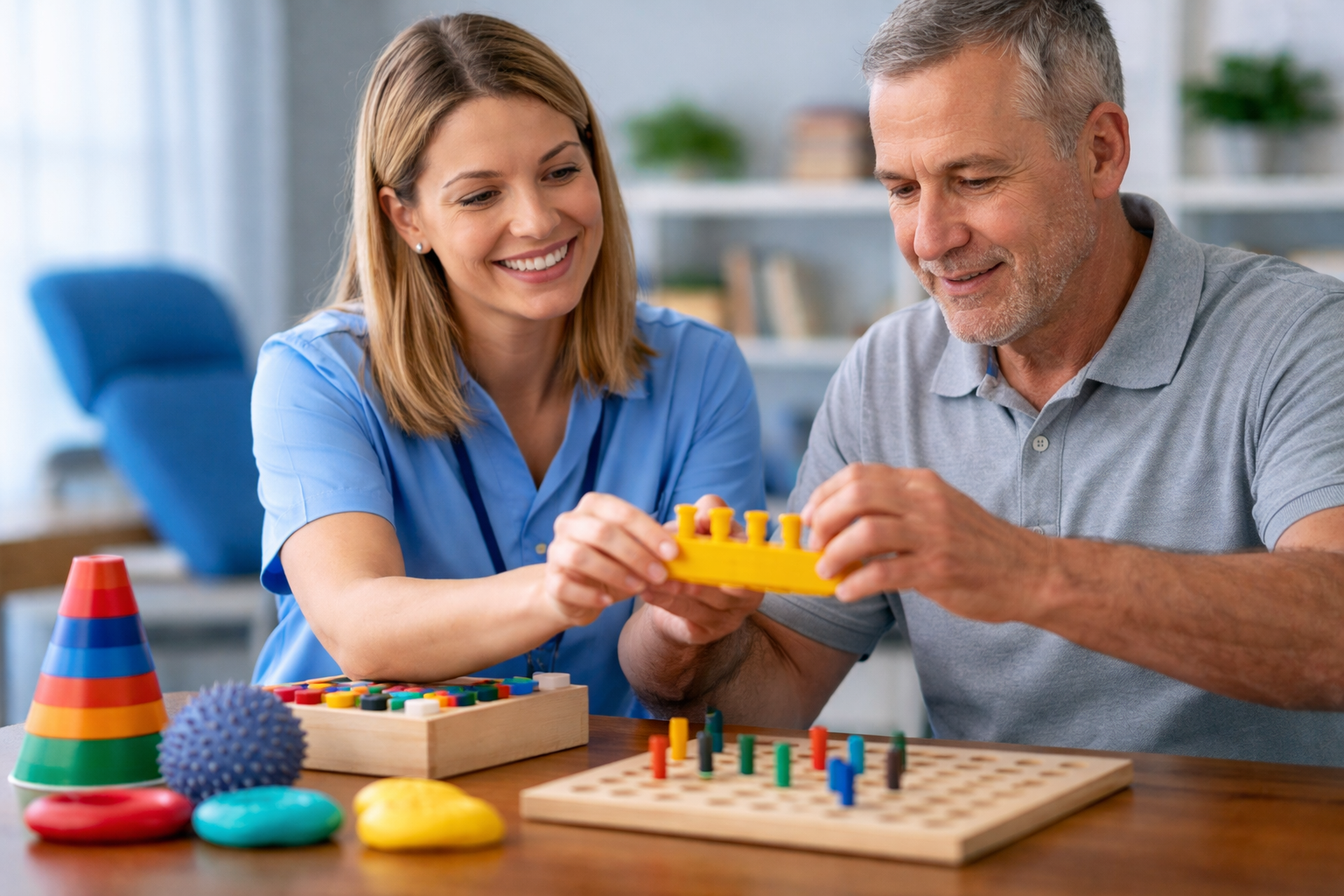
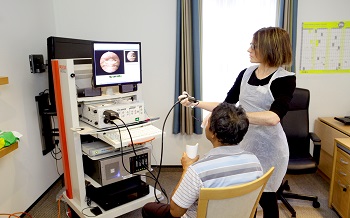
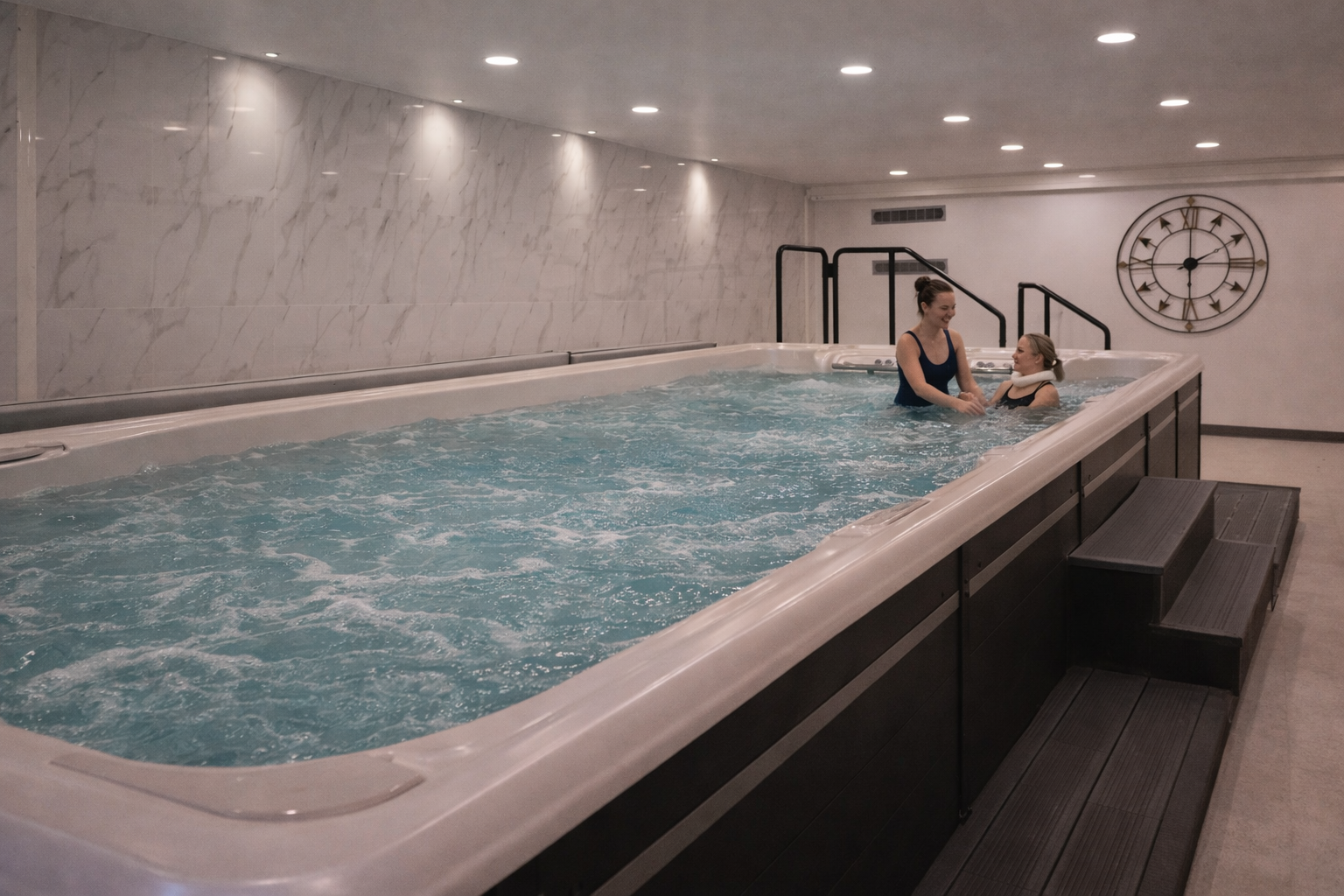
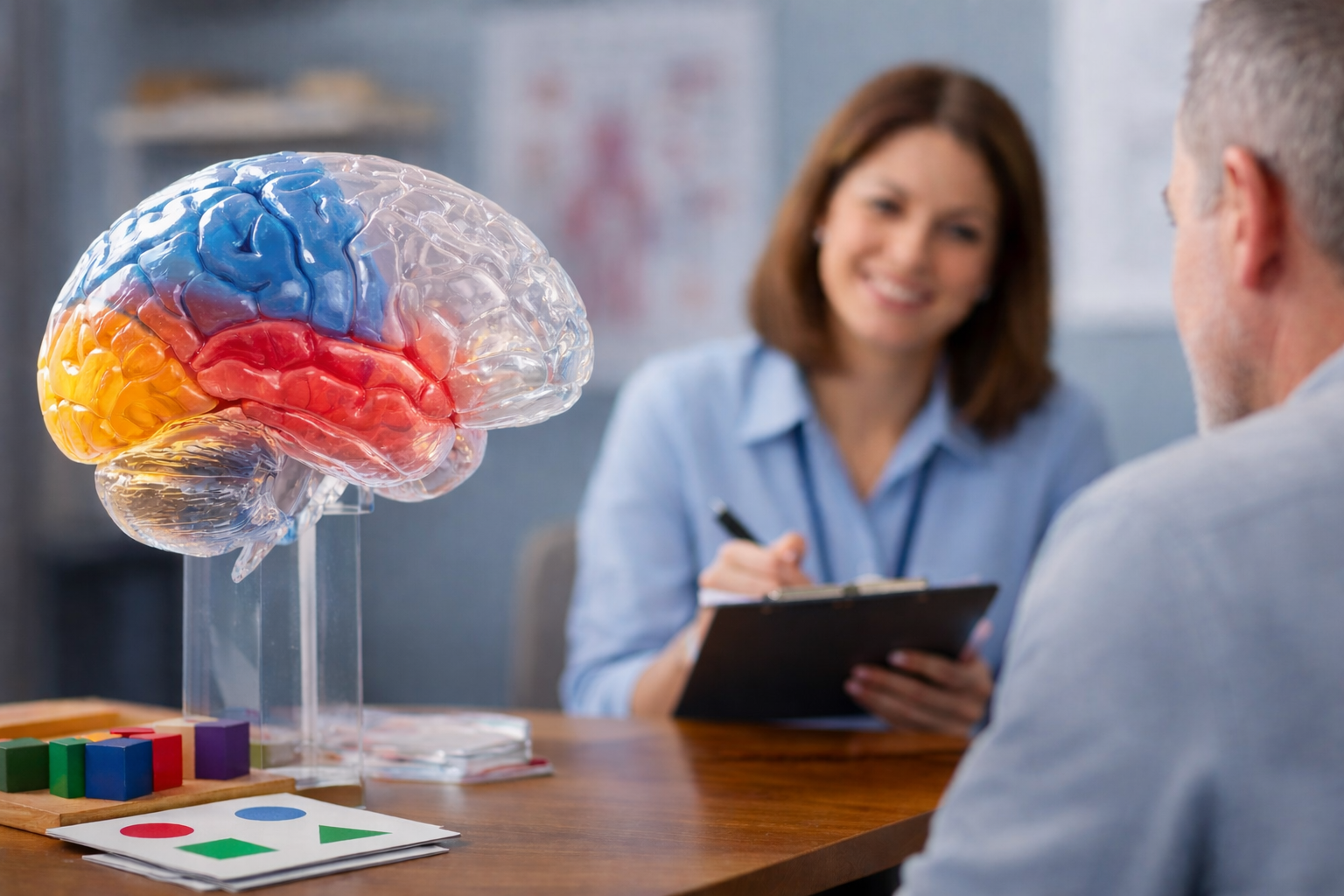
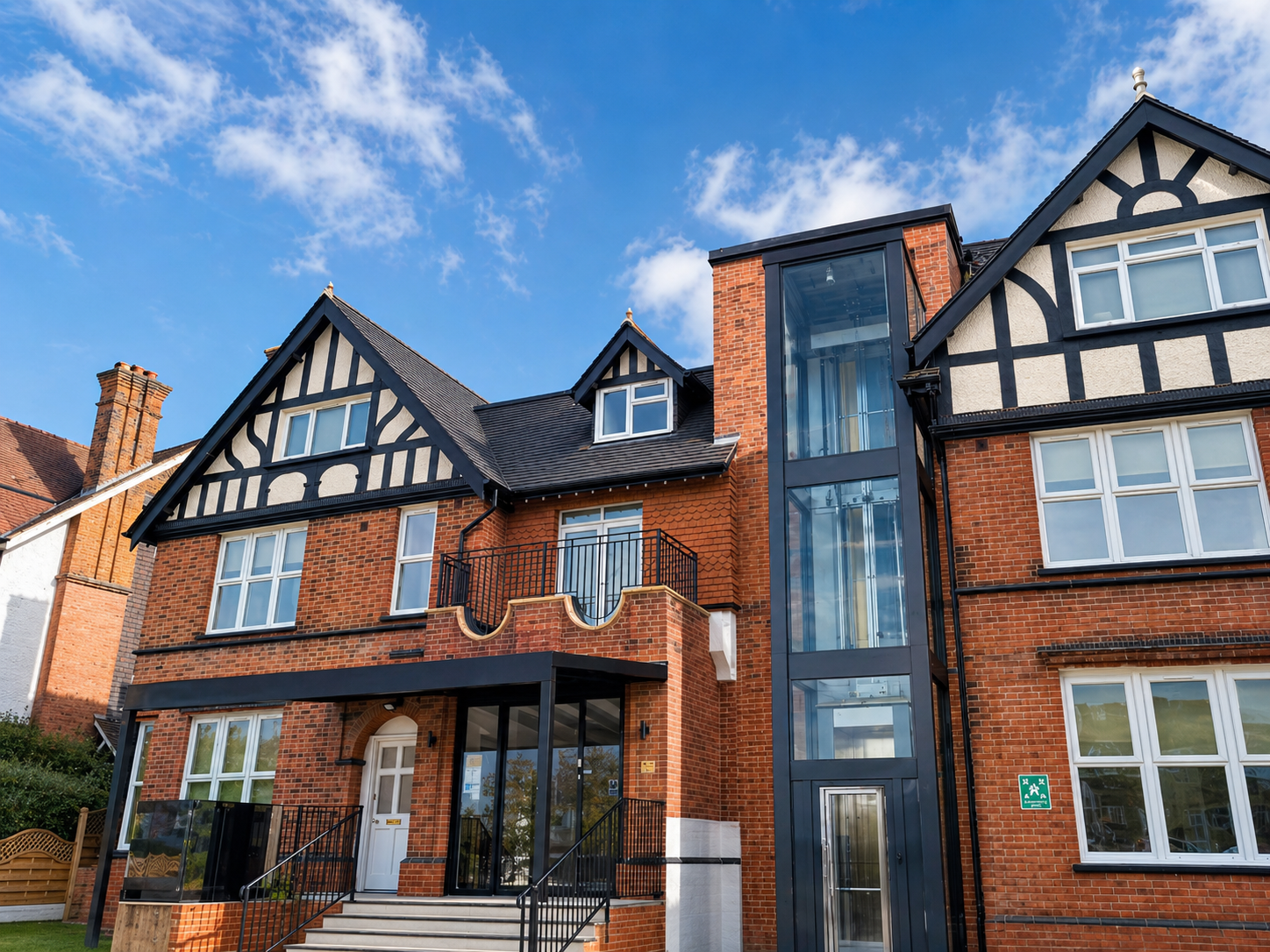
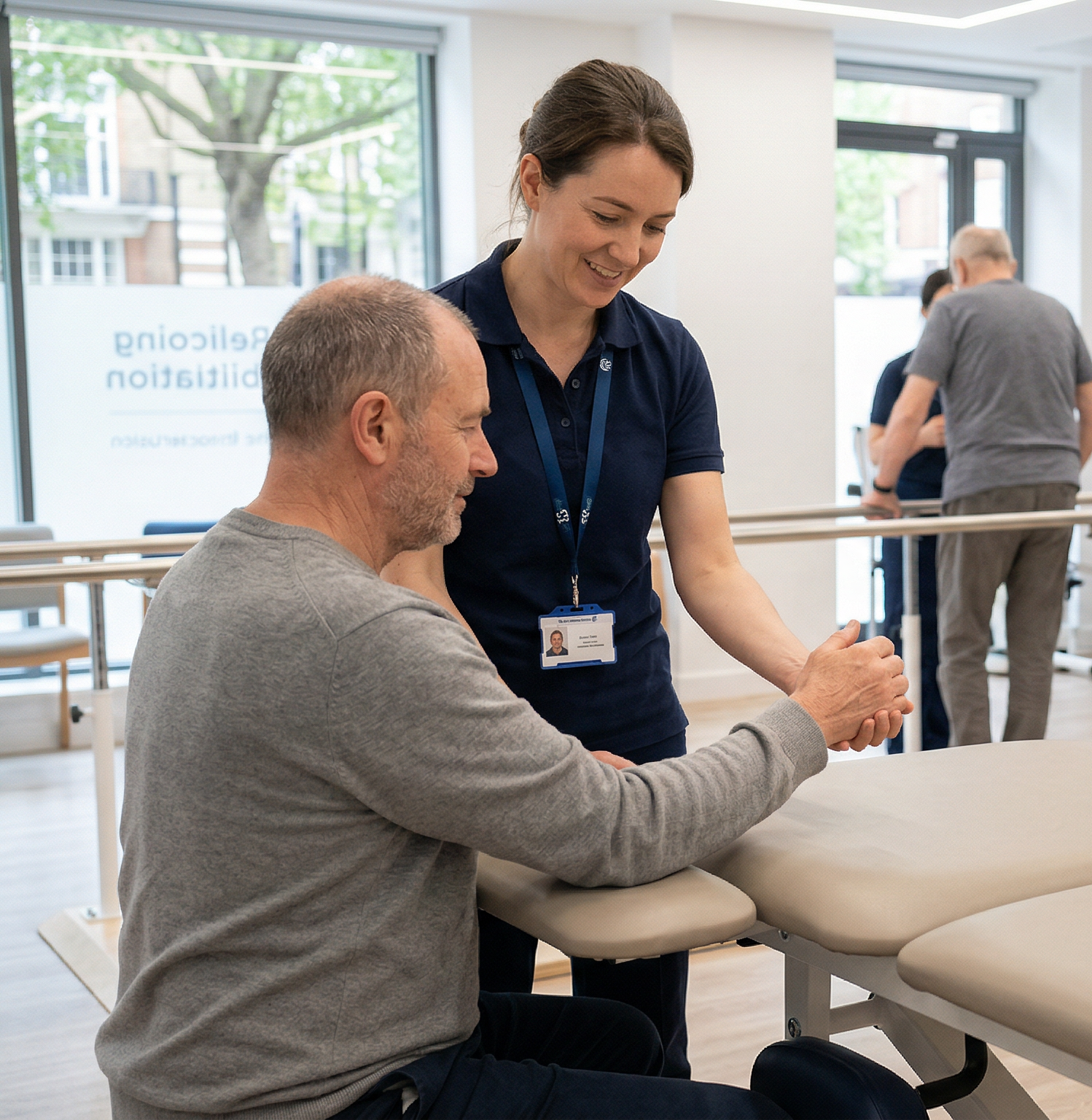
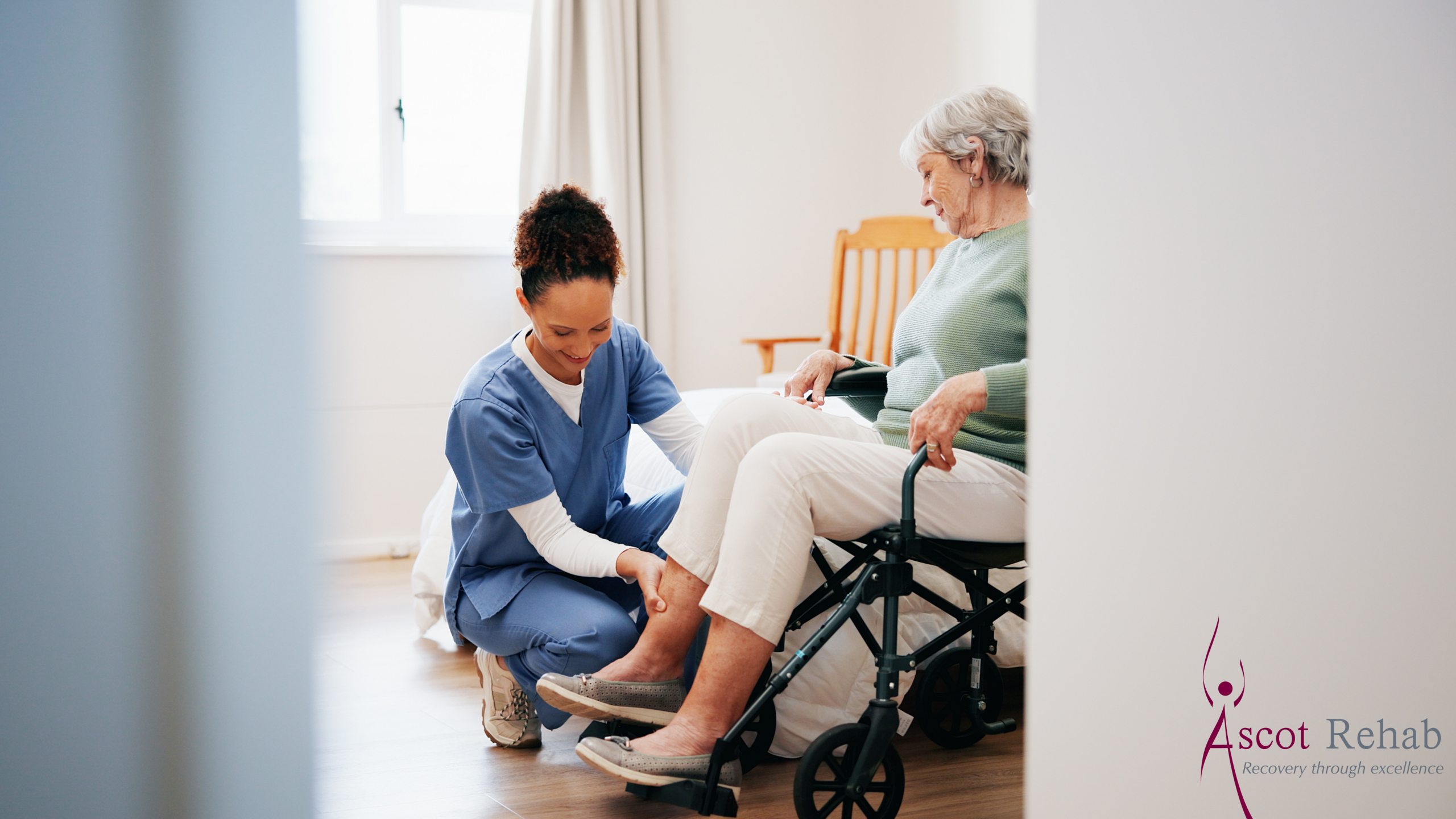
Stroke rehabilitation at Ascot Rehab is available across three care settings — from intensive inpatient programmes to community therapy at home.
"We can't speak highly enough of Ascot Rehab Centre. From physical and occupational therapy to the front desk team, everyone has been compassionate, supportive, professional and genuinely caring. We've seen a massive improvement in her walking stability."
"I had both physiotherapy and hydrotherapy and couldn't be happier. The staff are amazing — friendly, caring, knowledgeable. Technology is state-of-the-art."
"My balance has improved considerably. Rishika is very caring and prevents me falling during exercises. The centre is super clean and extremely professional."
"Every member of staff is welcoming, caring and always smiling. A genuinely supportive and well-run place for rehabilitation."
Can't find your answer? Call us on 020 8149 4544 — our admissions team will guide you from first enquiry to admission.
As soon as the patient is medically stable. The 2023 UK National Clinical Guideline recommends a minimum of three hours of multidisciplinary therapy a day, five days a week.
Yes. The 2023 guideline states stroke patients should be considered to have rehabilitation potential at any point after their stroke. There is no time limit on meaningful recovery.
A personalised programme of neurophysiotherapy, occupational therapy, speech therapy, neuropsychology, hydrotherapy and robotic rehabilitation — coordinated as a single MDT.
Recovery varies by stroke severity and individual goals. Programmes are reviewed and adapted continuously — some patients achieve key milestones in weeks, others benefit from months.
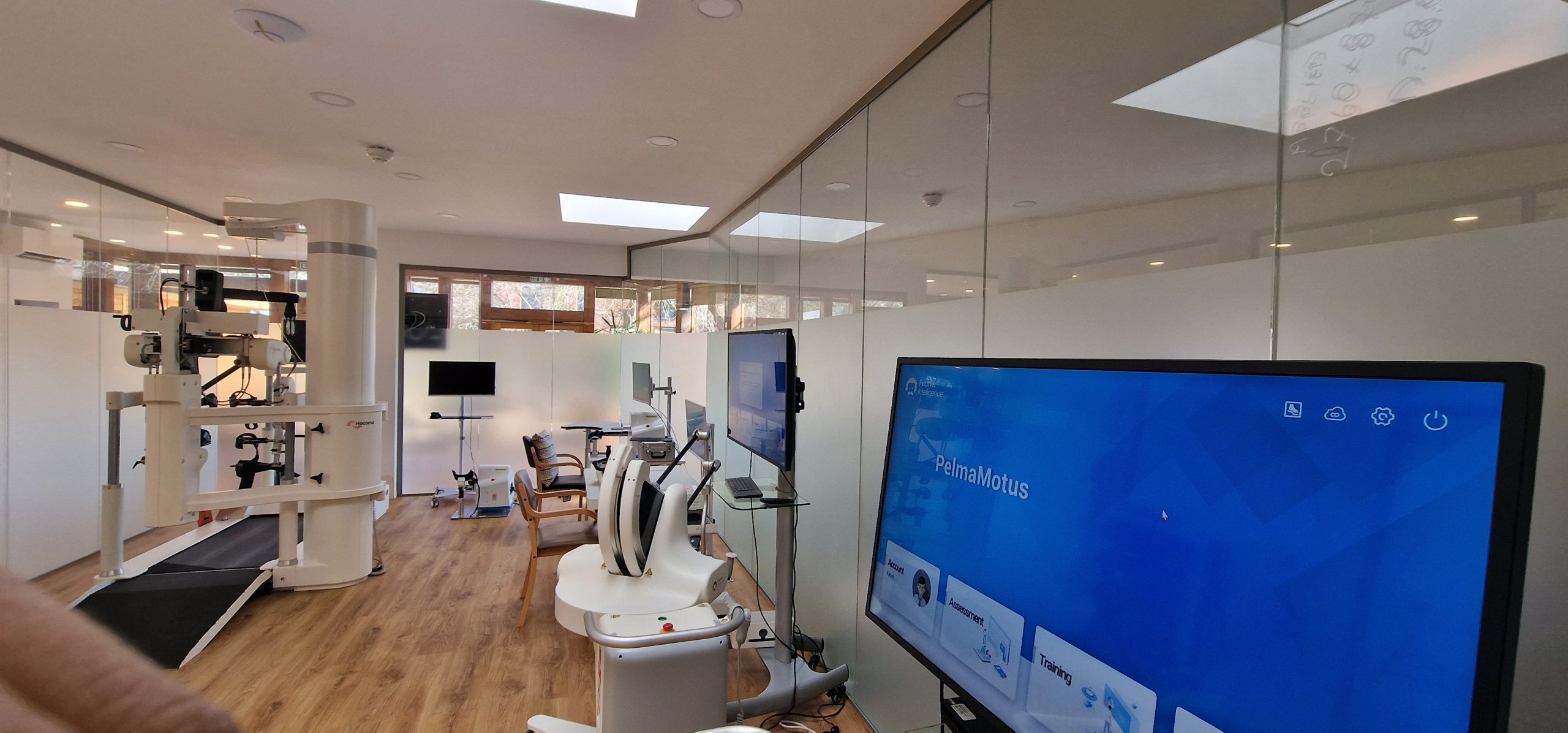
Robotic devices guide repetitive movement — the key driver of neuroplasticity. More repetitions per session means faster, stronger motor recovery than conventional therapy alone.
Yes. We work with Bupa, AXA and all major UK private medical insurers, plus embassies, medico-legal firms, international health insurers and direct self-pay patients.
Both cut off oxygen to brain cells but have different acute treatments. Both benefit from the same intensive, consultant-led multidisciplinary rehabilitation programmes.
Call 020 8149 4544 or email info@ascotrehab.com. We accept GP, consultant, case manager, medico-legal and self-referrals — UK and international patients welcome.
Refer online →Speak to our admissions team today — patients, families, case managers and referring clinicians all welcome. We're here from first enquiry to discharge and beyond.