Generic selectors
Exact matches only
Search in title
Search in content
Post Type Selectors
+44 (203) 212 0839 info@ascotrehab.com
Acquired Brain Injury Rehabilitation London | Ascot Rehab
Accredited & Recognised By
CARF Queen's Award King's Award CHKS ISO
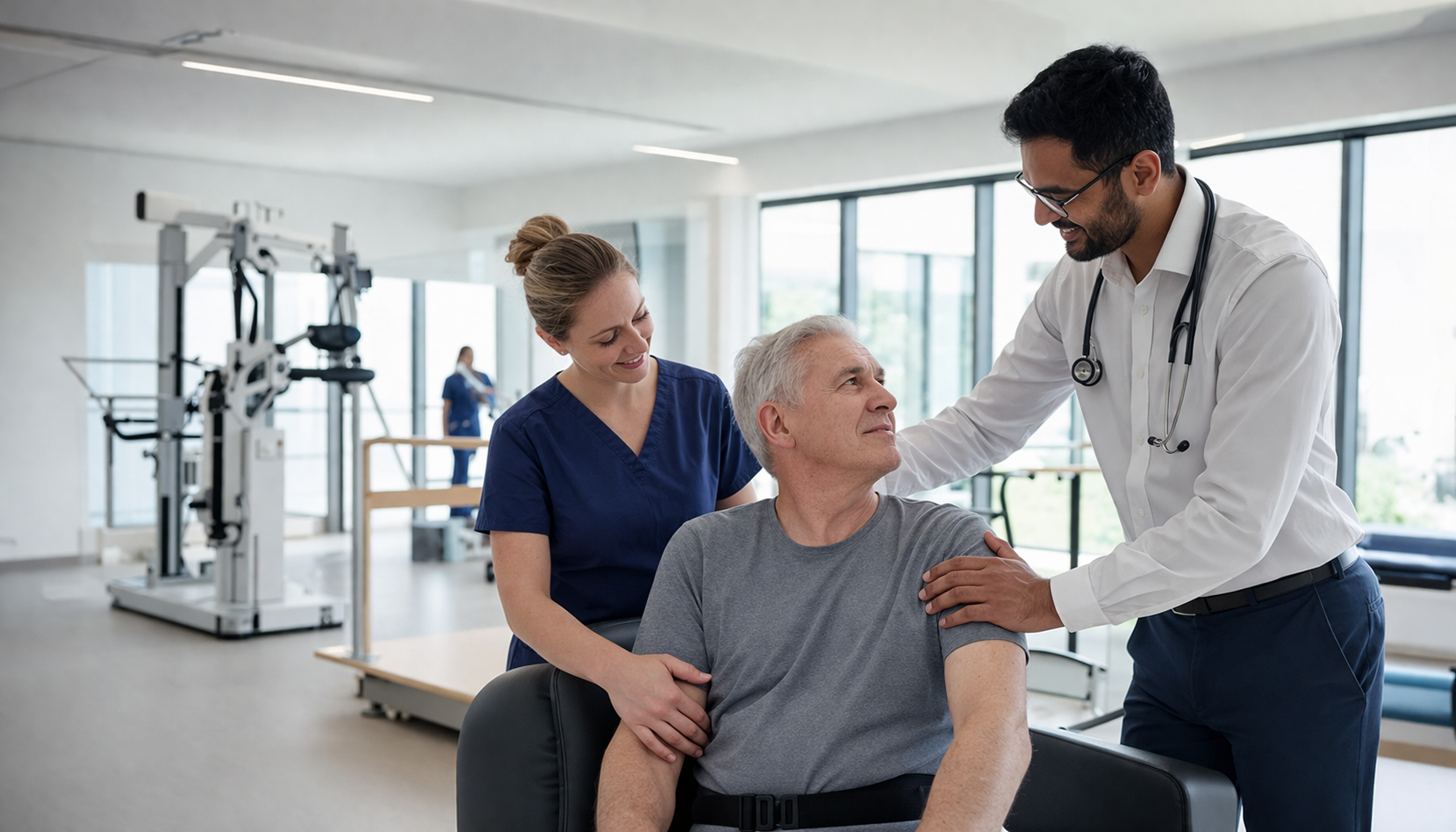
Physiotherapy and mobility training for spinal cord injury at Ascot Rehab London
Understanding Spinal Cord Injury

Damage to the spinal cord that
disrupts the body's vital signals.

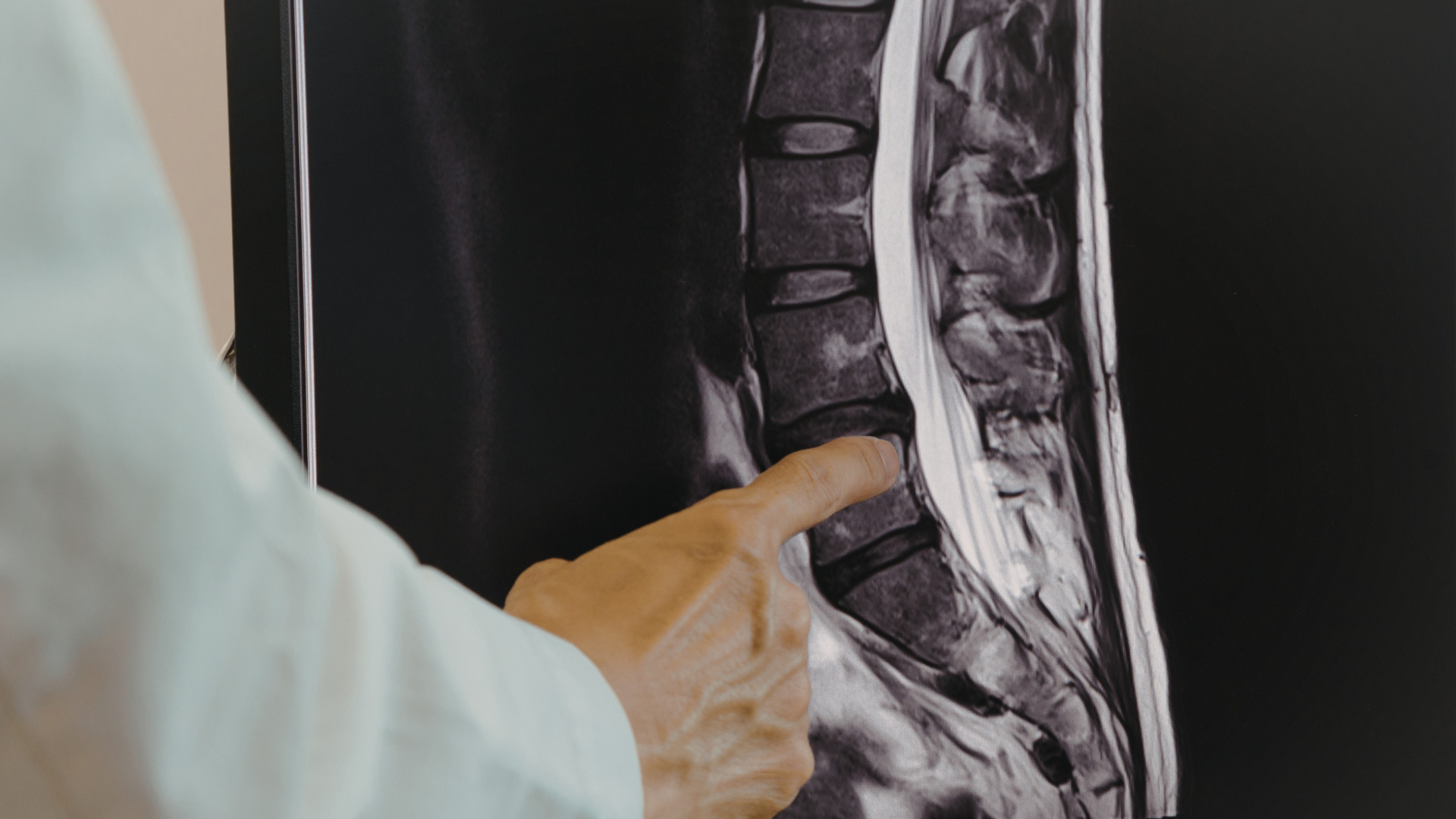
A spinal cord injury (SCI) is damage to the spinal cord resulting in temporary or permanent changes in motor, sensory and autonomic function below the level of injury. It encompasses both traumatic causes — such as road traffic accidents, falls, sports injuries and violence — and non-traumatic causes including tumours, infections, vascular events and degenerative conditions.

SCI is one of the most complex neurological conditions to rehabilitate. Around 50,000 people in the UK are currently living with spinal cord injury, with approximately 2,500 new cases each year. Early access to specialist SCI rehabilitation significantly reduces complications, reduces length of stay and maximises long-term independence.

Refer a patient →
Two key classifications. One specialist team.

Type 01 · ~80% of cases
Traumatic Spinal Cord Injury
Caused by an external physical force, traumatic SCI most commonly results from road traffic accidents, falls from height, sports injuries and violence. Injury level — cervical, thoracic or lumbar — determines which functions are affected and guides the rehabilitation focus from day one.
Type 02 · Growing prevalence
Non-traumatic Spinal Cord Injury
Caused by conditions including tumours, spinal stenosis, transverse myelitis, vascular events and degenerative disc disease, non-traumatic SCI is increasingly common and often presents with a slower or more gradual onset. Rehabilitation goals are shaped by the underlying cause and the pattern of neurological deficit.
Type 03 · Critical distinction
Complete vs. Incomplete Injury
Complete SCI means no motor or sensory function is preserved below the injury level; incomplete SCI means some function remains. The majority of SCIs in the UK are now classified as incomplete, and incomplete injuries carry significantly greater potential for neurological recovery with intensive rehabilitation.
The SCI Rehabilitation Pathway
S
Stabilise
On admission, our consultant-led team establishes neurological baseline, medical stability and rehabilitation potential — using standardised SCI assessments to classify injury and set the direction of care.
C
Configure
The MDT — including specialist physiotherapists, occupational therapists, rehabilitation nurses, respiratory therapists and psychologists — configures a goal-directed programme around the patient's functional priorities and discharge destination.
I
Intensify
Evidence strongly supports intensive, early SCI rehabilitation. Patients receive structured daily therapy targeting mobility, self-care, respiratory health and independence — maximising neurological recovery during the critical early window.
R
Reintegrate
Discharge planning begins on admission. Our team coordinates home adaptations, equipment provision and community SCI services — with outpatient and outreach follow-up to sustain independence beyond the ward.

Significant. Life-changing. Rehabilitatable.

50k
Living with SCI in the UK
Around 50,000 people in the UK are currently living with spinal cord injury. The majority were injured as a result of road traffic accidents or falls, often with no prior warning. Spinal Injuries Association, 2024
2,500
New Cases Every Year
Approximately 2,500 new spinal cord injuries occur in the UK each year — an average of nearly seven per day — with the majority affecting people under the age of 50. NHS Specialised Services, 2024
55%
Incomplete Injury Rate
Over half of all SCIs in the UK are now classified as incomplete, meaning some neurological function is preserved below the injury level — and intensive rehabilitation can meaningfully improve outcomes. Spinal Injuries Association, 2023
Reduction in Complications
Patients treated in specialist SCI rehabilitation units experience significantly fewer secondary complications — including pressure injuries, respiratory problems and urinary tract infections — than those managed in general wards. NICE, 2023
Specialist spinal cord injury rehabilitation at Ascot Rehab London
The Evidence

Early, specialist rehabilitation
transforms recovery.

NICE and BSRM guidelines recommend that all adults with spinal cord injury are managed in a specialist SCI rehabilitation unit as early as medically stable. Evidence consistently demonstrates that specialist SCI rehabilitation reduces secondary complications, shortens hospital length of stay and significantly improves rates of independent living and community reintegration.

Spinal cord injury affects every person differently.

Effect 01
Motor Impairment
Loss of movement and voluntary muscle control below the injury level is the hallmark of SCI. The extent — from paraplegia to tetraplegia — depends on injury location. Our neurological physiotherapists use evidence-based techniques including task-specific training and functional electrical stimulation to maximise motor recovery.
Effect 02
Sensory Loss
Altered or absent sensation — including touch, pain, temperature and proprioception — below the injury level is common in SCI and significantly impacts safety and quality of life. Our team assesses sensory function throughout rehabilitation and adapts daily activities and equipment to compensate for sensory deficits.
Effect 03
Respiratory Complications
Cervical and high thoracic SCIs frequently impair the muscles of breathing and coughing, increasing risk of chest infection and respiratory failure. Our specialist respiratory physiotherapists provide active airway management, ventilatory weaning support and breathing exercise programmes to reduce complications and support safe recovery.
Effect 04
Neuropathic Pain
Neuropathic pain — burning, stabbing or shooting sensations below or at the injury level — affects up to 70% of people with SCI and is one of the most debilitating consequences. Our MDT coordinates pain assessment and management including medication review, psychological strategies and physical modalities to improve quality of life.
Effect 05
Bladder & Bowel Dysfunction
Neurogenic bladder and bowel dysfunction occur in the majority of people with SCI, significantly affecting dignity, independence and quality of life. Our specialist nursing team provides comprehensive continence assessment and develops individualised bladder and bowel management programmes as a core element of the rehabilitation plan.
Effect 06
Psychological Adjustment
Adjusting to life after spinal cord injury is profoundly challenging. Depression, anxiety, grief and identity disruption are common responses to sudden, life-altering disability. Our clinical psychologists provide individual and group support throughout rehabilitation — and involve families in the adjustment process — to build resilience and a positive foundation for life after SCI.

Common questions answered.

Can't find your answer? Call us on 020 8149 4544 — our admissions team will guide you from first enquiry to admission.

01
What is a spinal cord injury?
A spinal cord injury is damage to the spinal cord that results in loss of motor, sensory or autonomic function below the injury level. It can be caused by trauma — such as road accidents or falls — or by non-traumatic conditions such as tumours, infections or vascular events.
02
What causes a spinal cord injury?
Traumatic SCIs most commonly result from road traffic accidents, falls and sports injuries. Non-traumatic SCIs arise from conditions including spinal tumours, transverse myelitis, vascular events and degenerative disc disease. Each has distinct rehabilitation implications.
03
How long does SCI rehabilitation take?
Recovery depends on injury level, completeness and the individual's overall health. Inpatient programmes at Ascot Rehab typically range from 8 to 32 weeks, with ongoing outpatient or community SCI rehabilitation thereafter.
04
What therapies are included in SCI rehab?
Our SCI programmes include neurological physiotherapy, occupational therapy, respiratory therapy, specialist nursing, psychology, hydrotherapy and assistive technology. Bladder and bowel management, pain management and discharge planning are also core components.
05
Can I self-refer for SCI rehabilitation?
Yes. Ascot Rehab accepts self-referrals as well as GP, consultant, case manager and medico-legal referrals for spinal cord injury. International patients are welcome. Call 020 8149 4544 to discuss suitability and arrange an assessment.
06
Is outpatient SCI rehabilitation available?
Yes. For patients who have completed inpatient rehabilitation or are managing at home, we offer structured outpatient and community outreach SCI rehabilitation. This includes physiotherapy, OT, psychological support and specialist nursing — scheduled around the patient's routine.
07
What is the difference between paraplegia and tetraplegia?
Paraplegia refers to impairment of the trunk, legs and pelvic organs following injury to the thoracic, lumbar or sacral cord. Tetraplegia (or quadriplegia) involves additional impairment of the arms and hands following cervical cord injury. Both are treated by Ascot Rehab's specialist SCI team.
08
How do I make a referral?
Call 020 8149 4544 or email info@ascotrehab.com. We accept GP, consultant, case manager, medico-legal and self-referrals — UK and international patients welcome.
Refer online →
Begin spinal cord injury rehabilitation at Ascot Rehab London
Begin Your Rehabilitation

Life after spinal cord injury
starts here.

Speak to our specialist SCI admissions team today — from first call to community reintegration, we're with you every step of the way.

020 8149 4544
Contact Us